
Entertainment Under Attack
1922
In early 1922, there was fierce criticism of how entertainment was handled in the capital, Minsk, of the Socialist Soviet Republic of Belarus.
On March 7, a writer using the name TSON lambasted Glavpolitprosvet (the Main Directorate for Political Education) for its mistakes. In the Minsk newspaper Zvezda TSON condemned a ceremonial session on February 23 convened by the Minsk Soviet in honor of the Red Army. Glavpolitprosvet, said TSON, staged “a truly revolutionary play dedicated to our valiant army. Its title? The Gypsy Baron.”1 It was actually an operetta written by Johann Strauss II and tells the story of a Hungarian nobleman returning from exile to claim his ruined estate. Gypsy Baron is considered one of Strauss’s greater works, but TSON was agitated by such lines as “...Nighttime adventures promise us pleasures — Paris, Paris, Paris…”
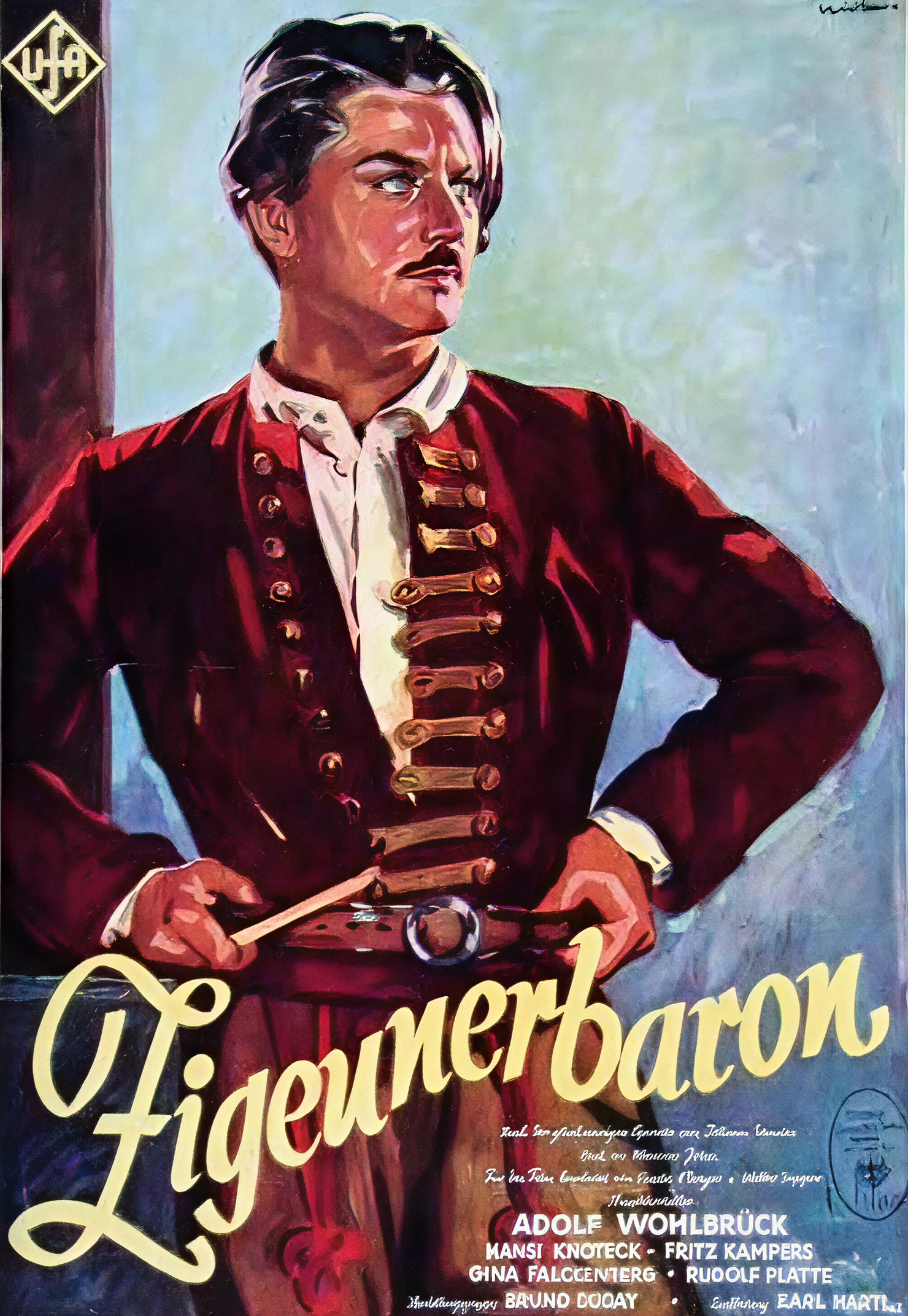
Poster for The Gypsy Baron, 1935
Source: https://mabumbe.com/movies/titles/91093/the-gypsy-baron
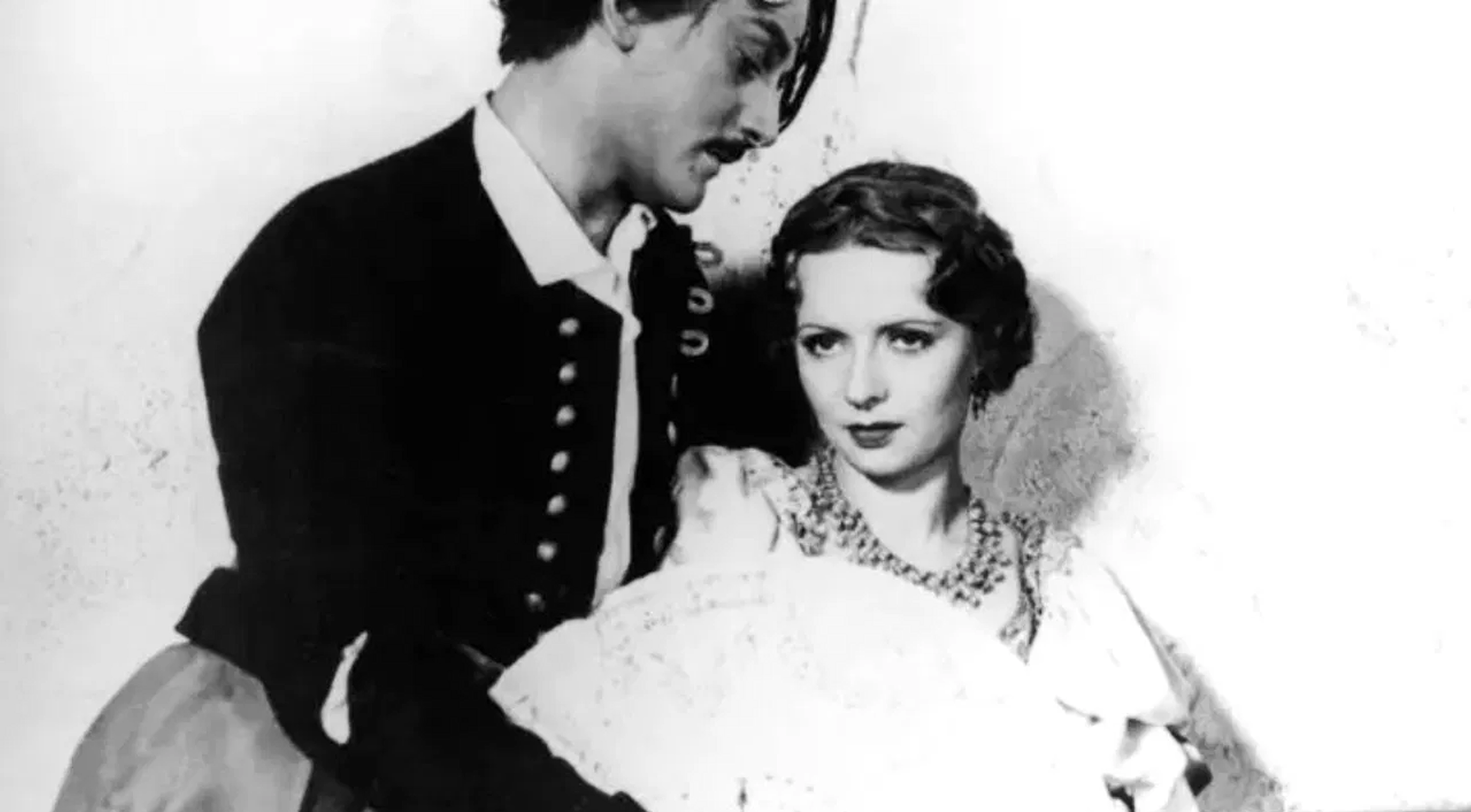
Still from a 1935 German film production of The Gypsy Baron.
Source: https://mabumbe.com/movies/titles/91093/the-gypsy-baron
But TSON did not stop at criticism of showing what he considered an inappropriate operetta. In another instance of a critic wanting the theaters to show agit-prop, he attacked the movies being shown, too:
Even the program titles speak for themselves:
Sins of Lust, Secrets of New York (Adventures of Nat Pinkerton), The Wife (by Artsybashev).
These films harmonize beautifully with the names of the cinemas themselves: Red Star, Culture, Spartacus. Naturally, the content of these films matches their titles.
TSON, “The diligent culture planter” 2
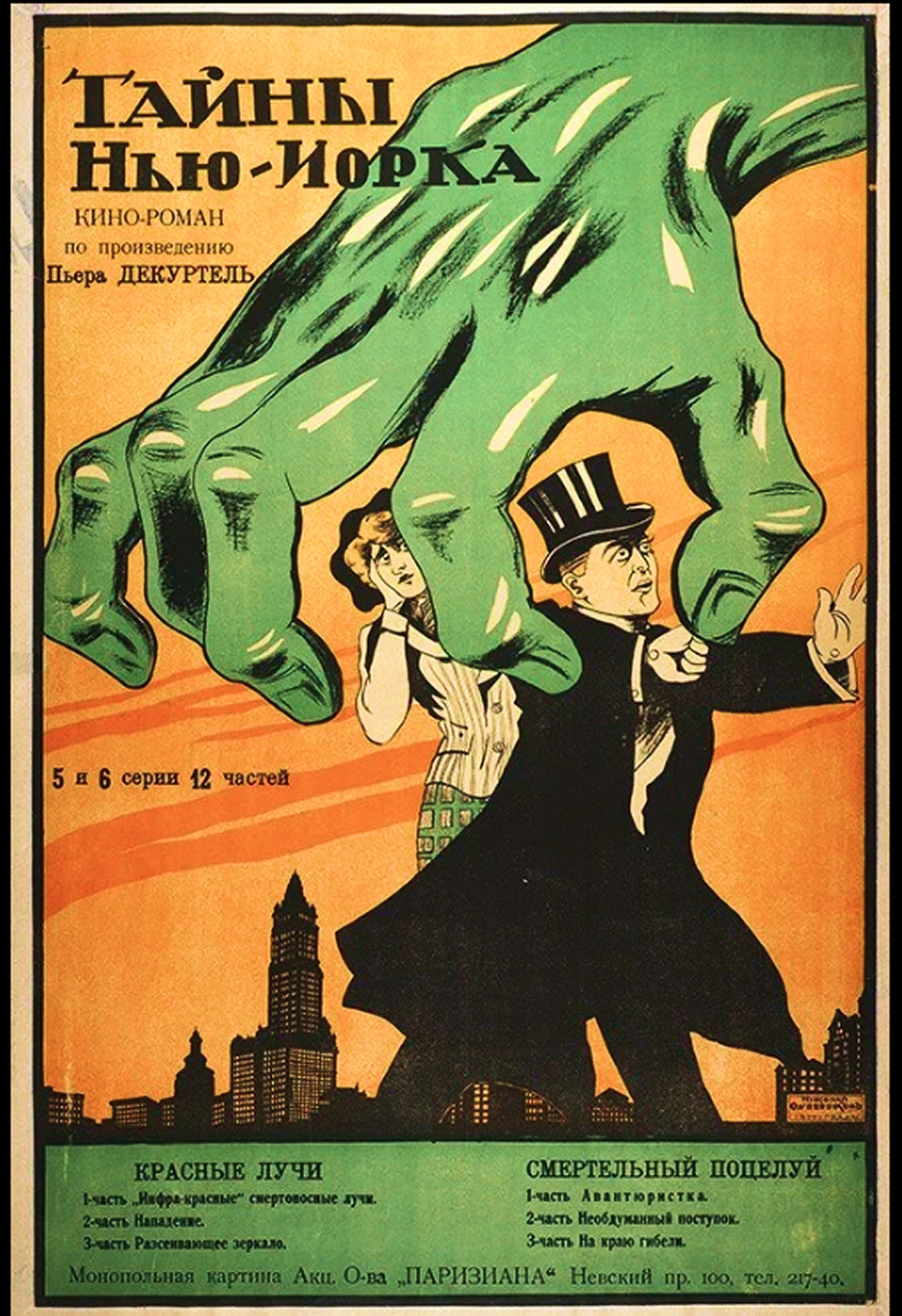
Poster for The Mysteries of New York
Source: https://www.kinopoisk.ru/film/236870/?utm_referrer=organic.kinopoisk.ru
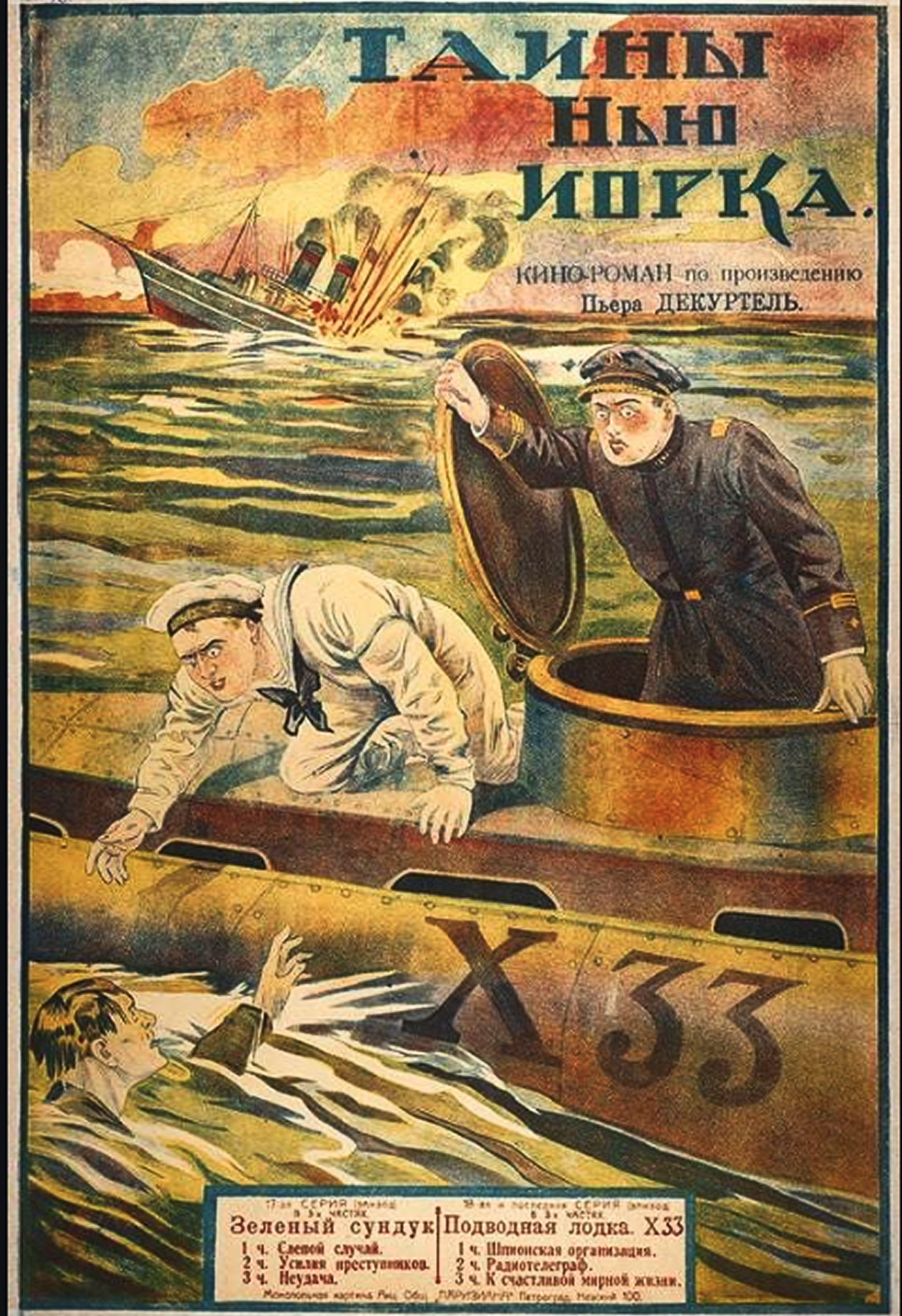
Poster for The Mysteries of New York
Source: https://www.lavanguardia.com/peliculas-series/peliculas/the-new-exploits-of-elaine-730634
In a March 12 response, Deputy Chair A. Rozenshein wrote that Glavpolitprosvet (Main Directorate of Political Education) did not stage Gypsy Baron. The theater, he said, was under “the exclusive jurisdiction of the Academic Center.3
Rozenshein then ducks the cinema criticism. “Despite the author’s assertion that “it goes without saying that the content of these films matches their titles,” we would advise him to actually familiarize himself with the content of the films he criticizes solely based on their “titles.”4
Rozenshein blamed PUZAP, the Politicheskoe Upravlenie Zapadnogo Fronta (the Political Directorate of the Western Front) of the Red Army during the Russian Civil War and the Soviet-Polish War (1919–1921)) for the showing of a film called Wife, which he said was based upon a story by the Russian writer Artsybashev. The Spartak cinema (formerly the New Theater)5, notes Rozenshein, was not under the jurisdiction of Glavpolitprosvet.6 The Red Army leased it in November 1921.7 We have not found any film called Wife with credit to Artsybashev for the script. There was a 1915 Polish film called Wife, but Artsybashev’s name is not attached to any of the material reporting on it.8
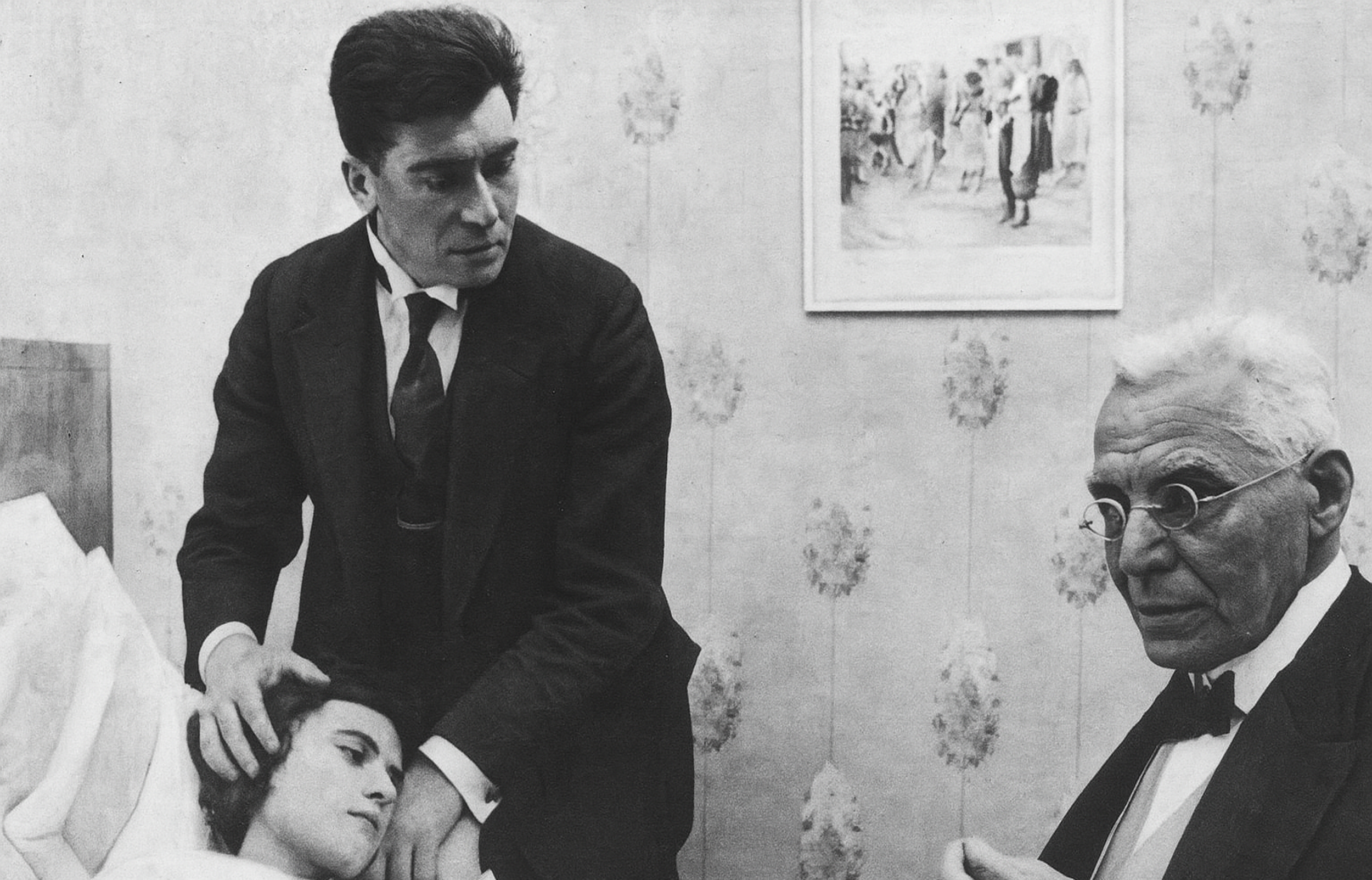
Still from the 1915 Polish film The Wife.
Source: https://www-kino--teatr-ru.translate.goog/kino/movie/euro/128841/foto/?_x_tr_sl=auto&_x_tr_tl=en&_x_tr_hl=en&_x_tr_pto=wapp
Film historian Veniamin Vishnevsky writes in his book Feature Films of Russia, that there was a film called «Zhena» (Otvet Artsybashevu) [Wife (Response to Artsybashev)], shot in Baku in 1916. He notes it was the first film "shot and performed in Baku."9
While we could not confirm that Artsybashev wrote a film Wife, we have good evidence that he wrote one called Muzh [Husband]. Historian Semeon Ginzburg wrote that Husband was produced “according to the play by M. Artsybashev.10 Historian V.P. Mikahailov wrote that the film Husband was produced but not allowed to be shown.11
We could not find information on Sins of Lust and will discuss Mysteries of New York in the next article.
1 TSON. «Zabotlivyy kul'turonasazhdatel» [«Заботливый культуронасаждатель»; "The Diligent Culture Planter"]. Zvezda [Звездаж Star], no. 56 (1057), 7 Mar. 1922.
2 Ibid.
3 «Pis'mo v redaktsiyu» [«Письмо в редакцию»; "Letter to the Editor"]. Zvezda, no. 61 (1062), 12 Mar. 1922.
4 Ibid.
5 Volozhinsky, Vladimir. «Gde v Minske byl pervyy kinoteatr i o chem byli pervyye minskiye fil'my?» [«Где в Минске был первый кинотеатр и о чем были первые минские фильмы?»; "Where Was the First Cinema in Minsk and What Were the First Minsk Films About?"], Tut.by, 17 Apr. 2013. Archived at Internet Archive. https://web.archive.org/web/20180401172506/https://news.tut.by/culture/344182.html Accessed 31 July 2025.
6 «Письмо в редакцию» [Letter to the Editor]. Zvezda, no. 61 (1062), 12 Mar. 1922.
7 Prikaz no. 35 [Приказ no. 35; Order No. 35] 04 Nov. 1921. NARB, Fond 42, Opis' 1, Delo 1052, p. 38. The document says “transfer.” However, a year later, when Kinoresbel tried to get the theater back, the document speaks of a contract. № 7420 18 Nov.1922 NARB Fond 42, Opis' 1, Delo 912. p. 145.
8 Жена (Zhena) [жена; The Wife]. Kino-teatr.ru, https://www-kino--teatr-ru.translate.goog/kino/movie/euro/128841/annot/?_x_tr_sl=auto&_x_tr_tl=en&_x_tr_hl=en&_x_tr_pto=wapp; Жена (Zhena) [жена; The Wife]. Кинопоиск (Kinopoisk) (Movie Search), https://www.kinopoisk.ru/film/177800
9 Vishnevsky, Ven. Khudozhestvennye fil’my dorevolyutsionnoy Rossii [Художественные фильмы дореволюционной России; Feature Films of Pre Revolutionary Russia]. State Film Publishing House, 1945, p. 94.
10Ginzburg, S. Kinematografiya dorevolyutsionnoy Rossii [Кинематография дореволюционной России; Cinematography of Pre Revolutionary Russia]. Art Publishing House 1963, p. 230.
11Mikhailov, V.P.. Rasskazy o kinematografe staroy Moskvy [Рассказы о кинематографе старой Москвы; Stories about the Cinema of Old Moscow]. Mainland, 2003, p. 244.