
“Trashy” Films and a New Organization
1922
The Genoa Conference, which began April 10, 1922, was set up for the victorious countries in World War I to meet and discuss the post-war economic reconstruction of Europe. The Russian Soviet Federal Socialist Republic (RSFSR) and Weimar Germany were also invited. According to historian Dmitri Romanowski, shortly before the conference, Belarus and the other socialist republics signed a protocol which would allow the RSFSR to represent its interests.1 Germany and the Soviet Socialist Republic of Belarus began developing trade relations even before Germany officially recognized Belarus in November 1922.2
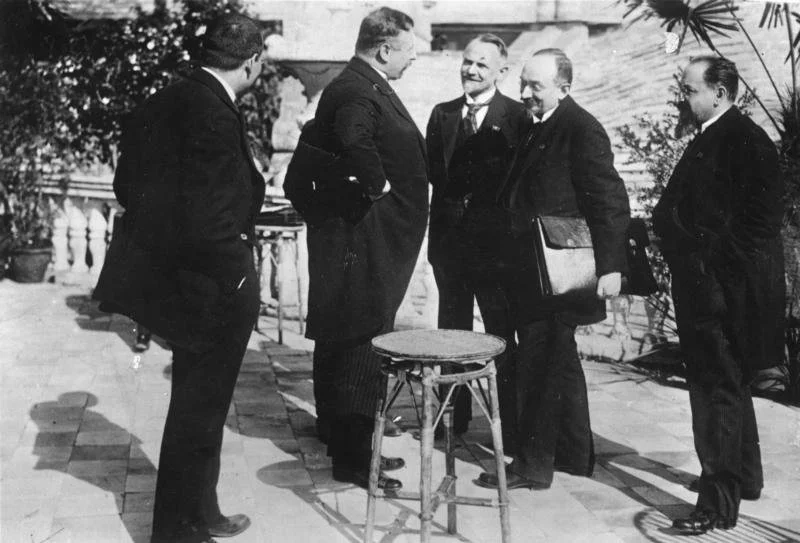
German Chancellor Joseph Wirth with the Soviet delegation, Leonid Krasin, Georgy Chicherin and Adolph Joffe, 1922.
Source: Bundesarchiv, Bild 183-R14433 / CC-BY-SA 3
An article in the Minsk-based newspaper, Zvezda, on May 10, 1922, reports that Anton Balitsky, then the Deputy at the Narkompros(People's Commissariat of Education), reported on the “cinematographic industry” to the Economic Conference. He said:
Anton Balitsky
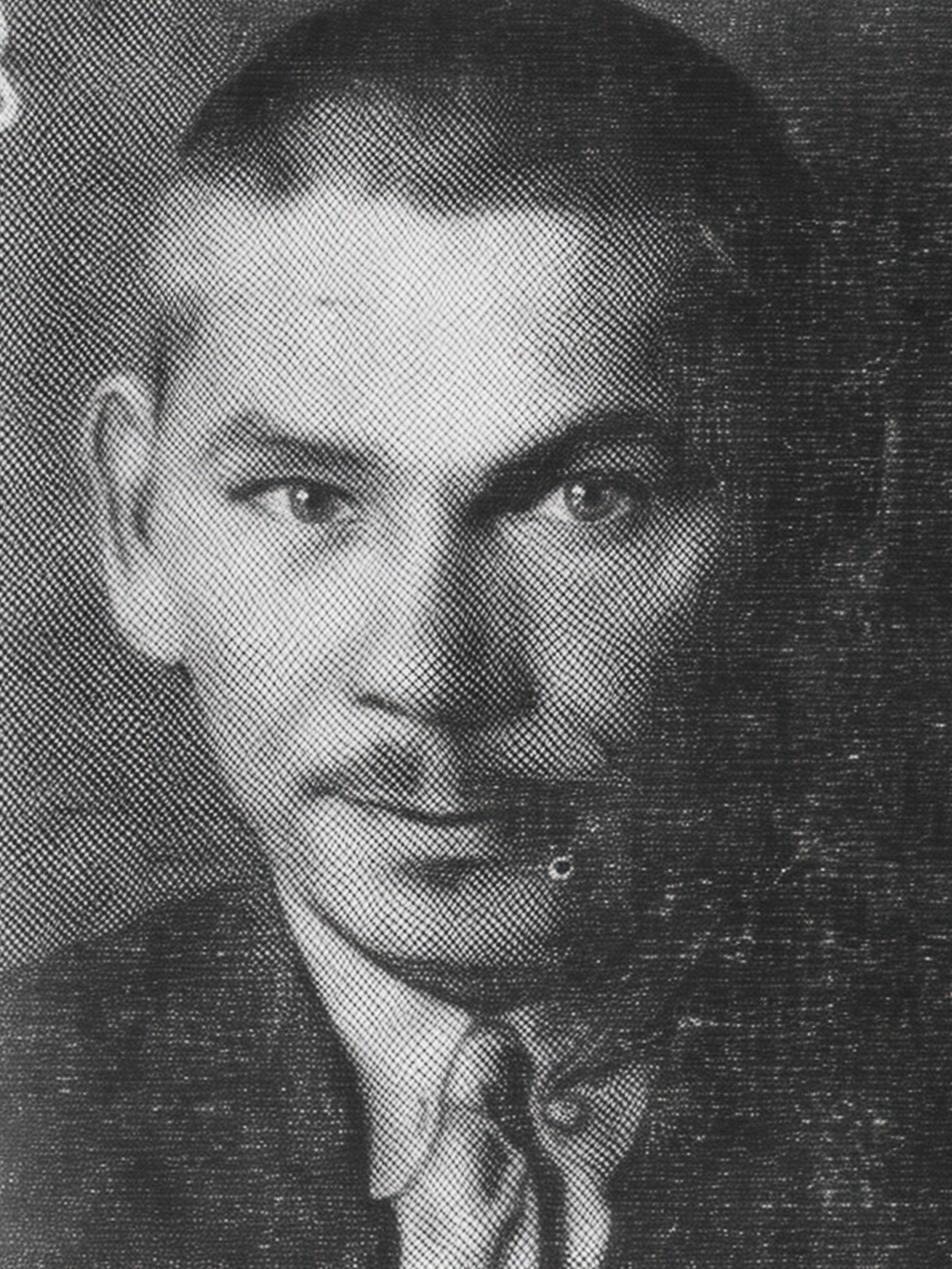
Anton Balitsky.
Source: https://commons.wikimedia.org/wiki/File:Anton_Balicki._Антон_Баліцкі_(1930).jpg
.jpg)
Included in the “trash” that Balitsky ranted about was a film known in most of Europe, and certainly in Belarus, was Tayny N'yu-Yorka [Mysteries of New York]. This was a French re-editing of three American serials: The Exploits of Elaine, The New Exploits of Elaine and The Romance of Elaine.4
The American film journal Photoplay reported that Mysteries of New York did well in Europe.5 An archival report states that, in Minsk, it was shown in two parts over two weeks.6
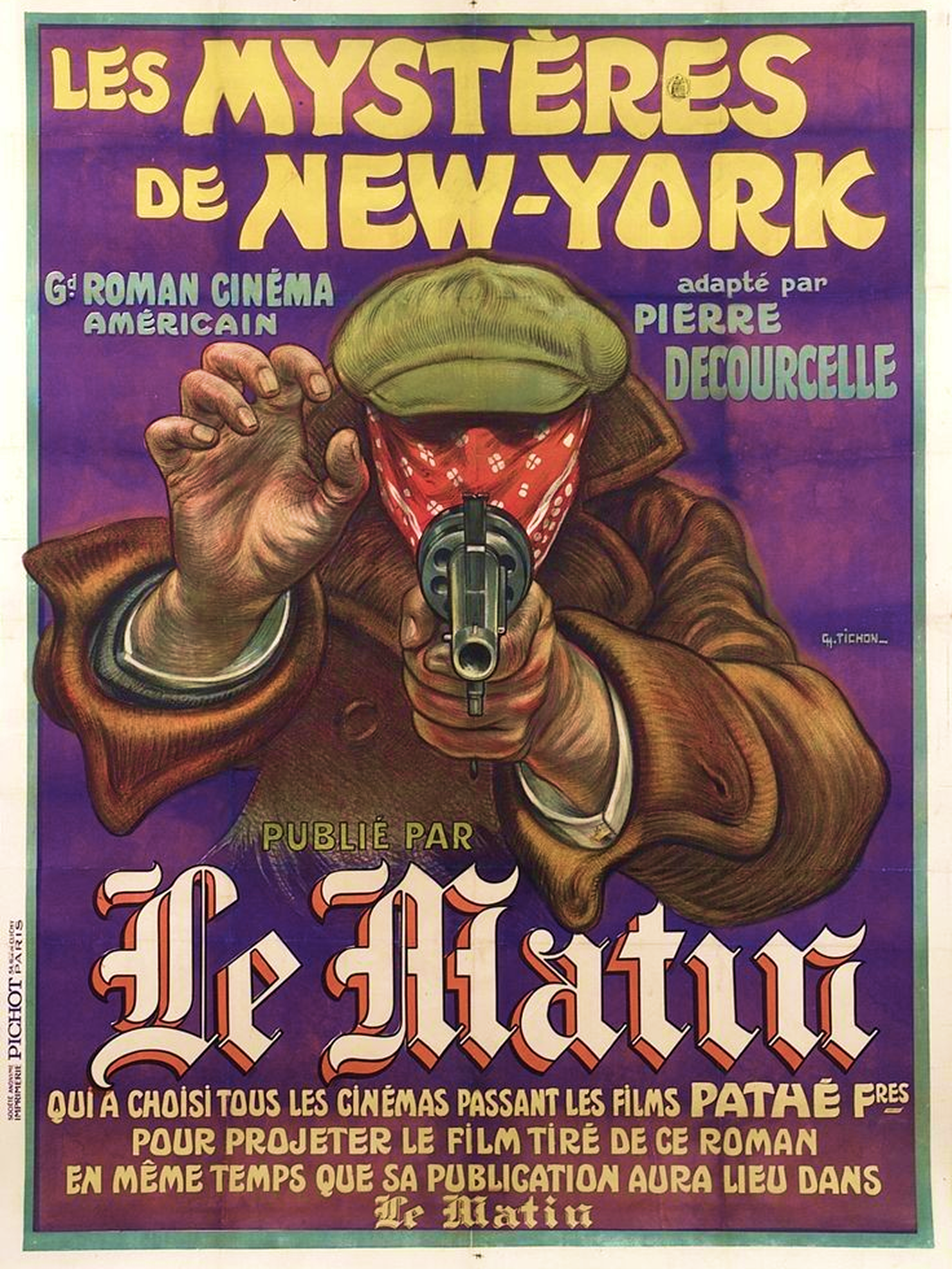
French Poster for Les Mystères de New-York.
Source: https://commons.wikimedia.org/w/index.php?curid=165946405
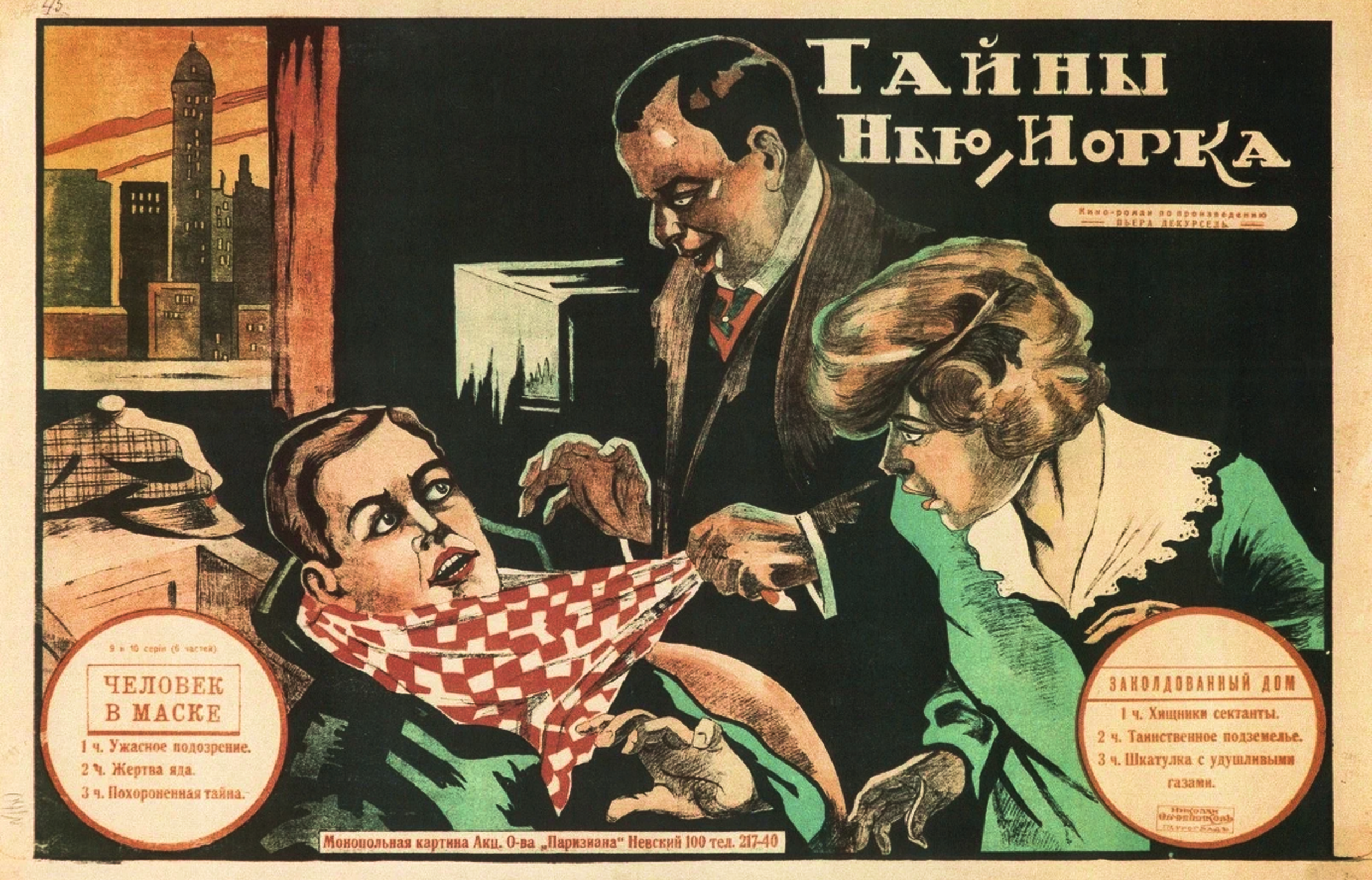
Mysteries of New York poster, 1914.
Source: https://babs71.livejournal.com/824244.html
Watch the video below. The scene echoes the poster above.
Video from The Exploits of Elaine
The May 10, 1922, Zvezda article also said a film distribution office would be set up under Narkompros. It would obtain films from the RSFSR (Russia) and “abroad,” specifically mentioning Poland and Germany.7
Three days later, on May 13, 1922, Zvezda reported the creation of Kinoresbel as the new cinematic organization for Belarus and that Moise Dinershtein, who had been the number two person at the Photo-Kino Department (Kinoresbel’s predecessor) was the manager.8
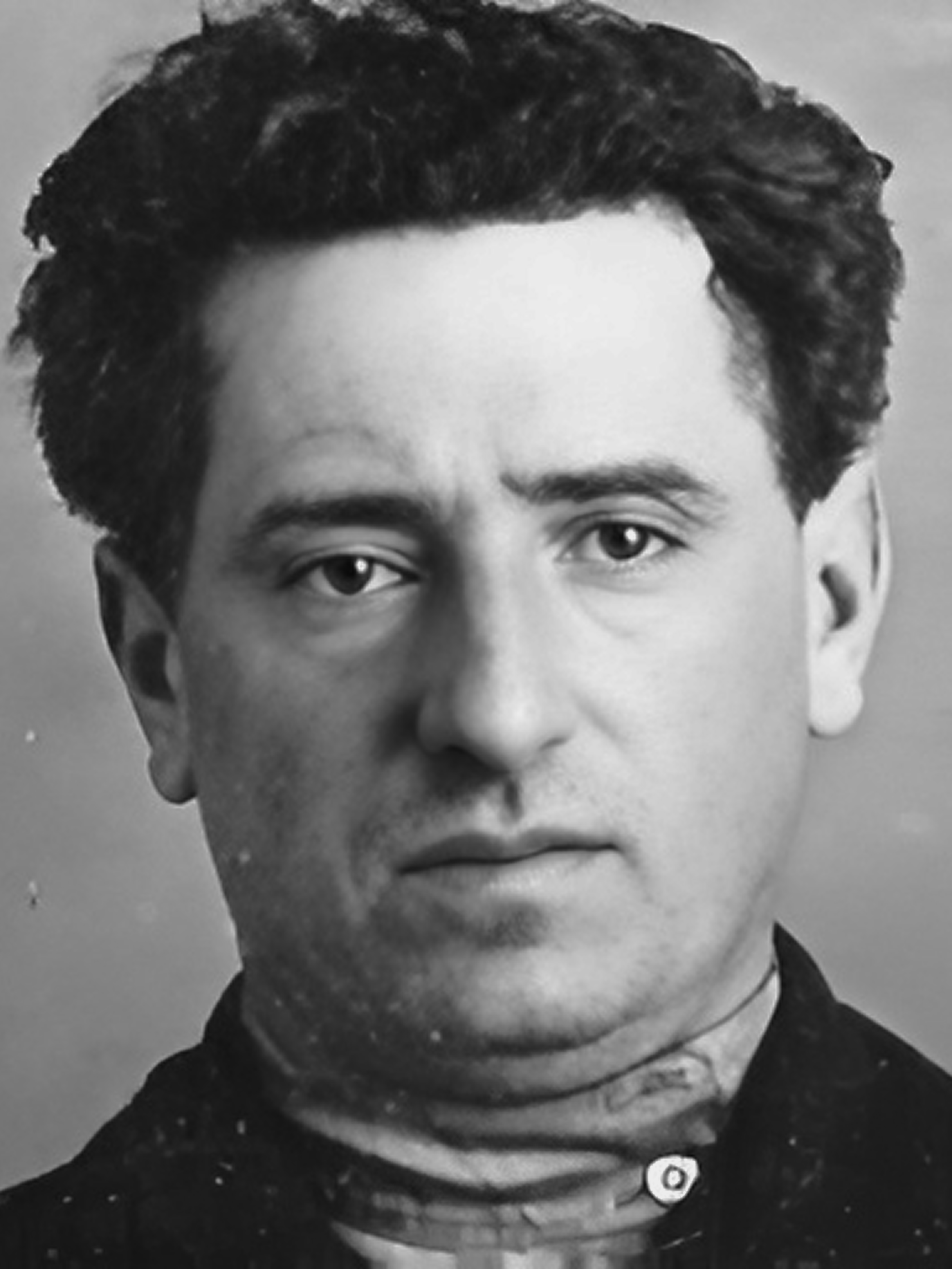
Moise Dinershtein. Photo from the archival collection of the International Memorial.
Source: https://ru.openlist.wiki/Динерштейн_Моисей_Иосифович_(1893)
Balitsky supported the creation of Kinoresbel as a film distribution organization but opposed the idea of it taking over the movie theaters.9 In fact, the Narkompros (the Commissariat of Education) considered the transfer of the cinemas to the Goronabraz (the City Department of Education), although it ultimately did not work out.10 Balitsky appeared to want the theaters to be exempt from Lenin’s New Economic Policy, the application of which would have meant that the theaters had to turn a profit. That was something they were not doing. The Bolsheviks wanted to “educate” their audience on what was happening and moving pictures were one of the best ways to do this. That was the basis of Vladimir Lenin’s apocryphal statement, “To us, cinema is the most important of all the arts.”11 Balitsky was also a strong proponent of Belarusization.12
Zvezda then reported that the Modern theater in Minsk (ignoring the new name, International) would be closed for summer. The equipment was moved to “the track.”13
Cinema news for May ended with the announcement in Zvezda that “The Film Section has received a new batch of excellent films for screening at local theaters.” Sadly, that same announcement gave no film names.14
On June 1, 1922, Kinoresbel would officially open for business.
1 Romanowski, Dmitri. Belarus und Weimar Deutschland: wirtschaftliche, wissenschaftlich technische und kulturelle Beziehungen [Belarus and Weimar Germany: Economic, Scientific Technical and Cultural Relations]. Dissertation Publishing House, 2015, citing Zneshnyaya palityka Belarusi: Zbornik dakumentau i materyyalau [Знешняя палітыка Беларусі: Зборнiк дакументаў і матэрыялаў; Foreign Policy of Belarus: Collection of Documents and Materials], vol. 1, Minsk, 1997, p. 243.
2 Romanowski, p. 70.
3 «Kinematograficheskoye delo» [«Кинематографическое дело»; Cinematographic Business]. Zvezda [Звезда; Star], 10 May 1922.
4 Les Mystères de New York, 1915. European Film Star Postcards, 11 Apr. 2019 https://filmstarpostcards.blogspot.com/2019/04/les-mysteres-de-new-york-1915.html Accessed 30 Sept. 2025.
5 "Harvesting the Serial", Photoplay Magazine, Vol. 11, No. 3, Feb. 1917, p. 24; “Plays and Players”, Photoplay Magazine, Vol. 10, No. 4, Sept. 1916, p. 94-95.
6 Rakhlin, S. V Narodnyy Komissariat Trudo-Krestyyanskoy Inspektsii, Zam. Upravlyayushchego Kinoresbel S. Rakhlina, Ob"yasneniye Aktu № 30 [В Народный Комиссариат Рабоче-Крестыянской Инспекции, Зам. Управляющего Киноресбел С. Рахлина, Объяснение Акту № 30 ; To the People’s Commissariat of Workers’ and Peasants Inspection. From Deputy Manager of Kinoresbel S. Raklin. Explanation Regarding Act No. 30.] 1 Aug. 1922. Natsional’nyi arkhiv Respubliki Belarus [Национальный архив Республики Беларусь; National Archives of Belarus, (NARB)]. Collection 42, inv. 01, file 133, doc. 39–42.
7 Rakhlin.
8 «Kinoresbel» [«Киноресбел»; Cinema of the Republic of Belarus]. Zvezda [Звезда; Star], 13 May 1922.
9 «V gorodskoy ispolnitel'nyy komitet» [«В Горисполком»; "To the City Executive Committee"]. Updated NARB. Collection 42, inv. 1, file 133, doc. 6.
10 Protokol Zasedaniya Kollegii Narkomprosa Belorussii [Протокол Заседания Коллегии Наркомпроса Белоруссии; Minutes of the Meeting of the Collegium of the People's Commissariat for Education in Belarus[ 1922 11 Mar. Gosudarstvennyy arkhiv Minskoy oblasti (GAMn) [Государственный архив Минской области (ГАМн); State Archives of Minsk Region (GAMn)Fond 322, Opis' 1, Delo 88, p. 64-64b.
11 There are many sources that not only present the quote but go deeply into Soviet thinking on film. Two are Green, John “The Most Important of the Arts: Film After the Russian Revolution.” 26 Jun. 1917. Culture Matters https://www.culturematters.org.uk/the-art-and-politics-of-film-after-the-russian-revolution/ Accessed 21 Dec. 2025; and Fairfax, Daniel “Marxism & Cinema." Historical Materialism https://www.historicalmaterialism.org/marxism-cinema-daniel-fairfax/ Accessed 21 Dec. 2025. The upshot of most writing on the quote is that the Soviets saw film as a way to educate the illiterate on communism and government actions.
12 Markova, Alena. "The Path to a Soviet Nation". Brill Schoningh 2021, p. 1. Balitsky was also a “strong politician and intellectual.” Rudling, Pers Anders. The Rise and Fall of Belarusian Nationalism, 1906-1931 University of Pittsburgh Press 2014 p 134.
13 «Zakrytiye «Moderna»» [«Закрытие "Модерна"» The "Modern" is closing]. Zvezda, 21 May 1922.
14 «Новые Кино-фильмы» [New movies]. Zvezda, 28 May 1922.