
Kinoresbel Fights Back
But It’s a Losing Cause
In mid-July 1922, the new formed Belarusian government cinema organization Kinoresbel came under fire from opponents. Chief among those opponents was the Rabkrin (The Workers’ and Peasants’ Inspectorate) which performed an audit. But the purpose of the audit is unclear. There is nothing in writing that we have found that indicates the goal was to improve, dismantle, or replace Kinoresbel.
Assuming that pointing out all of the alleged faults of Kinoresbel was an attempt to improve the organization, why are there no suggestions for improvement? What was the point of running an audit of an organization that had only been operating for six weeks? What was the sense of comparing six weeks of Kinoresbel to two years of its predecessor, the Photo-Kino Department, which created the conditions under which Kinoresbel had to operate?
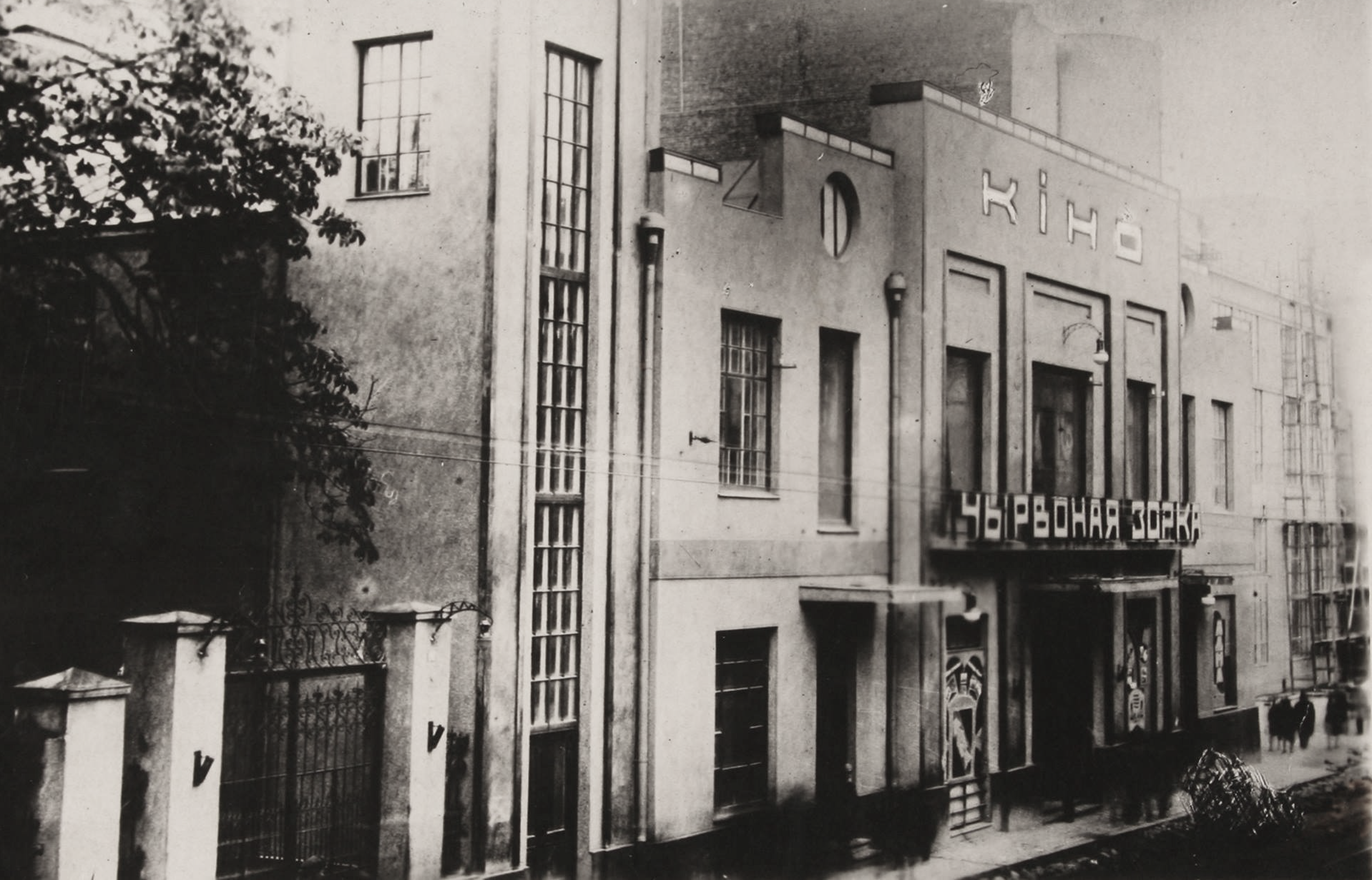
The auditors did not like the films shown at the Red Star cinema in Minsk.
Source: https://facebook.com/MinskPhotoHistoryNew
Some of the answers to these questions are made clear in a statement by A.N. Saikovsky, (position) which accompanied the audit. He wrote to the Rabkrin:
As for the future of the film business (he specifically did not say “Kinoresbel”) I would believe that it should remain under the People's Commissariat for Education as a profitable cultural institution, regardless of its reconstruction, but only under another directorate. This opinion is also supported by the Local Committee of Cinematographers, which is confirmed by the attached act.1
A. N. Saikovsky
But who would make the final decision?
There are no records of a hearing, only dueling statements. For those opposed to Kinoresbel, there was the audit, often referred to as “The Act” or “Act 30,” and Saikovsky’s statement. For those supporting Kinoresbel, there is a short, legal conclusion by Narkompros (the People’s Commissariat of Enlightenment), a joint statement by Dinershtein, and Rakhlin. There is also a separate statement by Rakhlin.
The Narkompros response was not very strong. The two-page written “conclusion” claims that the audit was premature because Kinoresbel was only six weeks old at the time the audit was conducted. The conclusion also states Kinoresbel’s “activities differ fundamentally from those of the Cinematographic Section of the Main Political Enlightenment Directorate.”2 The conclusion did describe those it saw as behind the attempt to discredit Kinoresbel.
These individuals, displaced by the state monopoly over the photo-cinema industry, have resorted to methods of “NEP (Lenin’s New Economic Policy)-style competition” in an attempt to discredit Kinoresbel from its very inception and clip its wings.3
“Conclusion” Legal Counsel of the Narkompros regarding the audit of Kinoresbel
We can presume that “these individuals” included Marcus Mnuskhin, who, as we earlier reported had a contract to run a theater in Bobruisk, and Mark Aronov, who had contracted to provide films. Both of those contracts, of course, were executed by the Photo-Kino Department (to see where we discussed these contracts earlier, click here).
For all of that, the strongest condemnation Narkompros had of the audit was that it was “premature.”4
Samuel Rakhlin did not hold back in his individual response. He said parts of the audit were tendentious (biased, unfair, or partisan, showing a strong preference for one point of view) and claimed that other sections distorted simple, easily verifiable facts. He also slammed the section of the audit concerning the quality of films. In the following, he refers to a Mr. Belkind, who was the head of the Photo-Kino Department and did not get a new job with Kinoresbel.
Incidentally, the cited facts in the act are not documentary evidence, as the act itself admits, but “recollections” — specifically those of Belkind, who spoke in my presence and expressed himself with phrases like “it seems,” “maybe,” and could not recall anything precisely. 5
S. Rakhlin
Rakhlin also complained about the films that the audit committee asked to see. He noted that they were not chosen “freely” but taken at the insistence of the local committee representative, who demanded these specific titles and not others. (Those films were The Mask of Sin, The Suffering of Love, The Gambler, Noble Nest (which we believe is A Nest of Nobles), and Atonement of Blood).6
Rakhlin pointed to the films that the auditors did not see, The Sleeping Princess, Let Us Be Like the Sun, and Love Under the Southern Sun (or Goats and Kids)7. The last film is also known as Goats, Goats, Goats. While there are references to Let Us Be Like the Sun and Goats, Goats, Goats in various Russian film history books, there do not seem to be any pictures from the films. For Goats, Goats, Goats we can at least show you pictures of two of the leading actors, Natalia Kovanko and Victor Turzhansky,8 and of Nikolai Radin and Oleg Freilich of Let Us Be Like the Sun. Frelich later became a director for the new Belarusian State Film Company, Belgoskino.
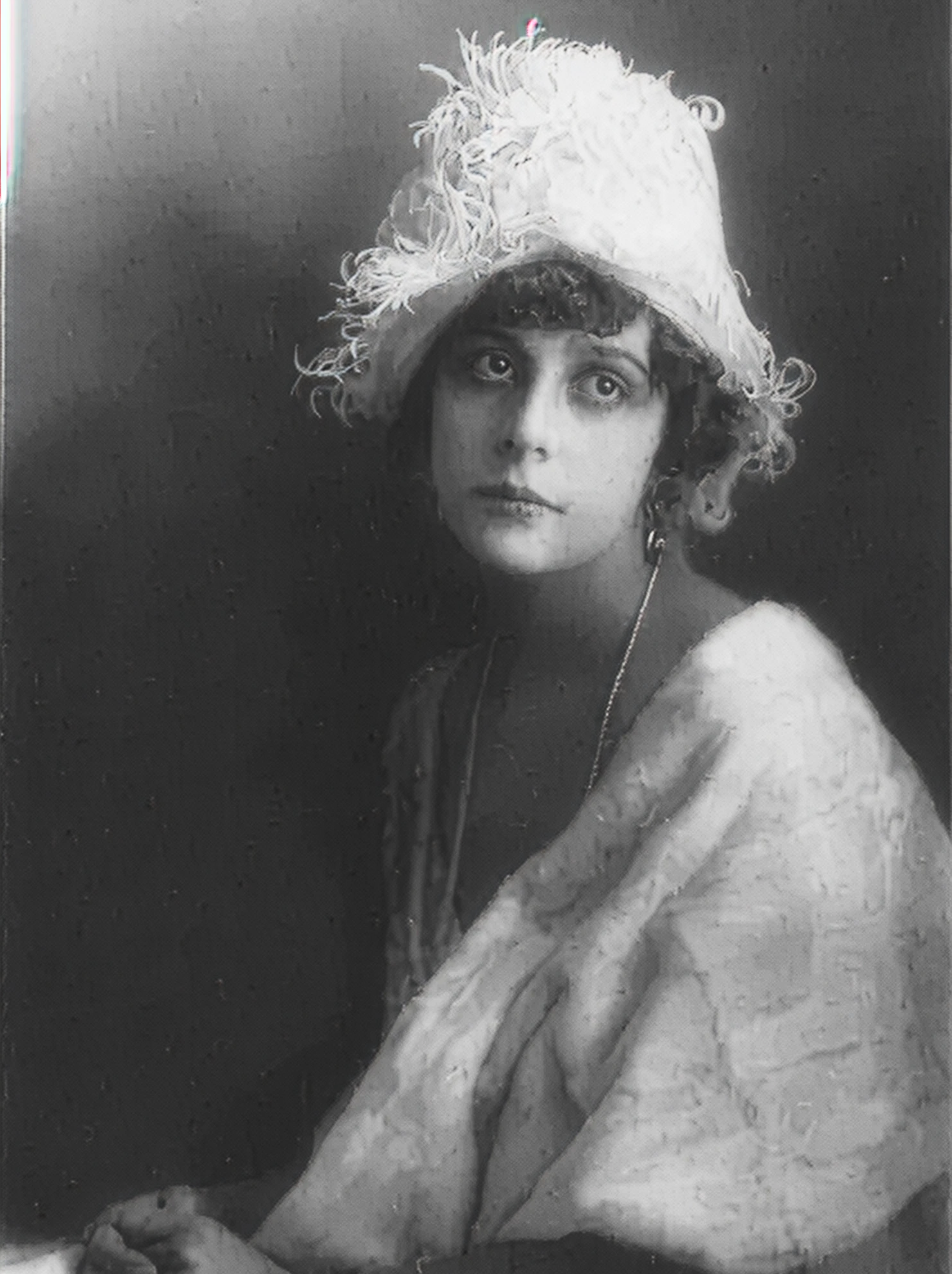
Natalia Kovanko, Goats, Goats, Goats movie.
Source: https://www.kino-teatr.ru/kino/acter/w/euro/251949/foto/1292300/
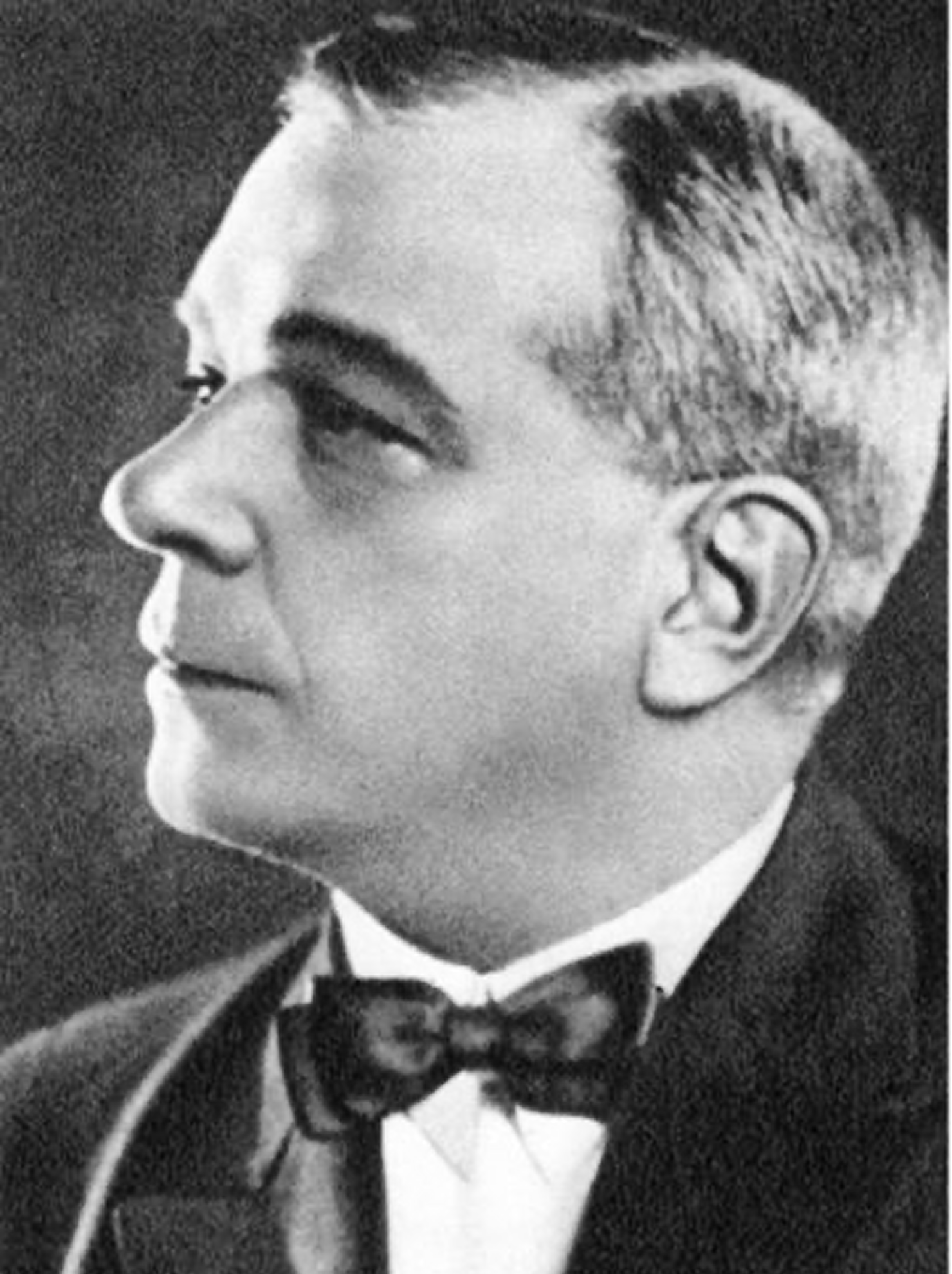
Nikolai Radin, Let Us Be Like the Sun movie.
Source: https://www.kino-teatr.ru/kino/acter/m/sov/33419/foto/120452/

Victor Turzhansky, Goats, Goats, Goats movie.
Source: https://matsam.livejournal.com/4431791.html
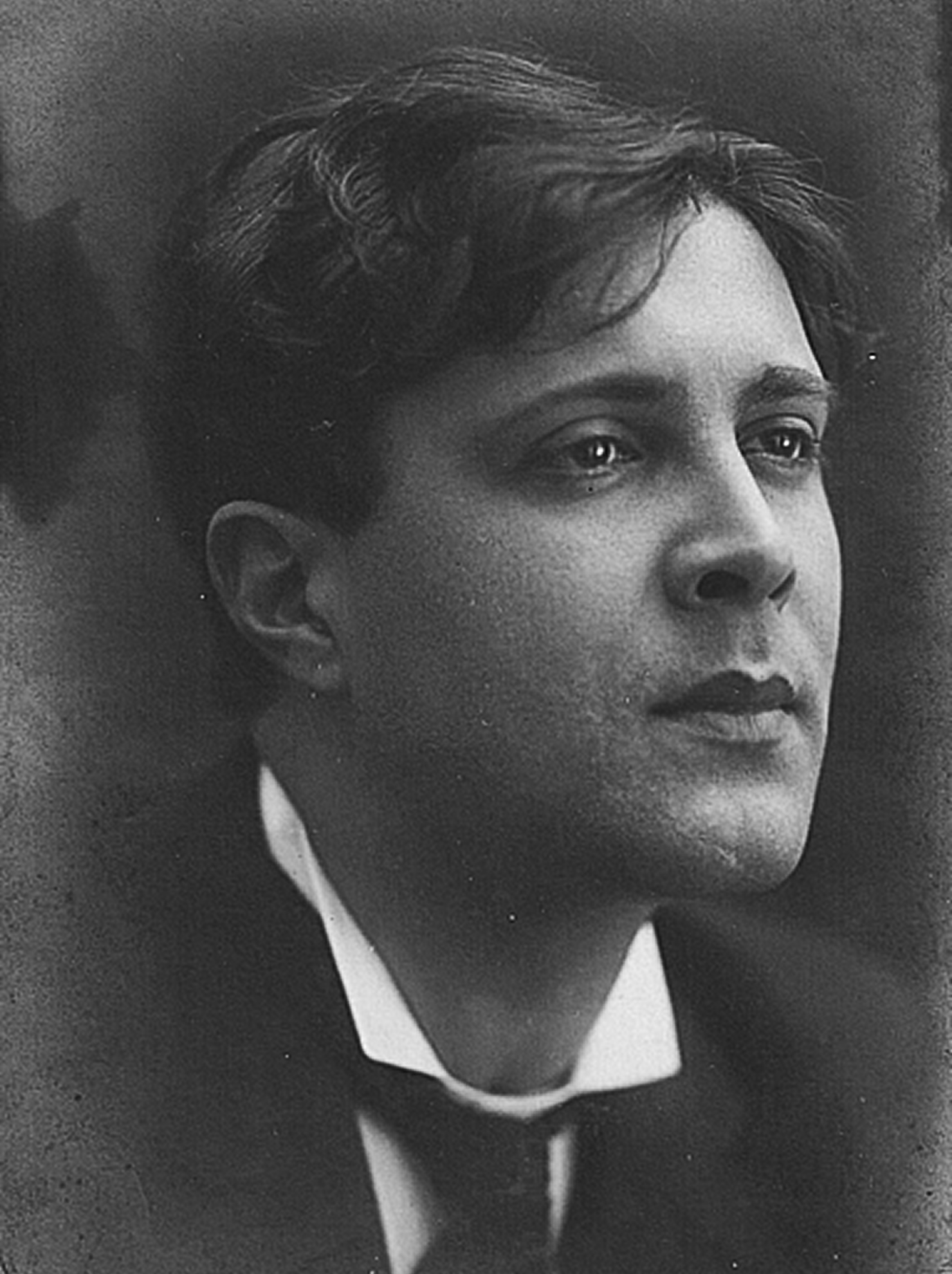
Oleg Freilich, later a Belgoskino director, Let Us Be Like the Sun movie.
Source: https://www.kino-teatr.ru/kino/acter/m/sov/6866/foto/615047/
And we know that the residents of Minsk weren’t strangers to the film, The Gambler. They had seen it before, Cine-Phono reported it showed at the Eden in December…….of 1910.9
1 Рапорт (Report) № 9413 1922 3 Aug. Национальный архив Республики Беларусь (НАРБ) [National Archives of the Republic of Belarus (NARB)], fond. 101 inventory 1 file 1740 p.177-78b & 196.
2 Заключение юрисконсульта Народного Комиссариата Просвещения Белоруссии по вопросу с ревизии Киноресбел (Conclusion Legal Counsel of the Narkompros regarding the audit of Kinoresbel) 1922 22 Aug. NARB fond. 42 inventory 1 file 133 p. 32 and 32b.
3 Ibid.
4 Ibid.
5 В Народный Комиссариат Рабоче-Крестьянского Инспекции, Зам. Управляющего Киноресбел С. Рахлина, Объяснениея Акту № 30 (To the People’s Commissariat of Workers’ and Peasants’ Inspection, From Deputy Manager of Kinoresbel, S. Rakhlin Explanation Regarding Act No. 30) 1922 20 Aug NARB fond. 42 inventory 1 file 133 p. 39-42.
6 Акт (Act) Undated NARB fond. 42 inventory 1 file 133 p 35 and 36.
7 To the People’s Commissariat of Workers’ and Peasants’ Inspection, From Deputy Manager of Kinoresbel, S. Rakhlin Explanation Regarding Act No. 30 1922 NARB.
8 Козы... козочки... козлы... (Goats…Goats….Goats) https://www.kino-teatr.ru/kino/movie/empire/12618/titr/. Accessed 2025 20 Nov.
9 Сине‑Фоно (Sine‑Fono) (Cine‑Phono). Issues 21–22, 1910 15 Dec. p. 26.