
The Real Reasons the Union Wanted to Dismantle Kinoresbel
In mid-July 1922, the newly-formed Belarusian government cinema organization Kinoresbel came under fire from opponents. Chief among those opponents was the Workers’ and Peasants’ Inspectorate, or Rabkrin, which performed an audit. The purpose of the audit, which was entitled Act 30, is unclear. The audit and the responses were addressed to the Narkompros, the People’s Commissariat of Education. Still, there is nothing in writing that we have found that indicates there was a reason to investigate replace Kinoresbel. In fact, no one was ever punished based upon the findings in the audit.
It was not the audit, but the accompanying statements by the man who led it, A.N. Saikovsky, and his assistant, S.I. Shtein, that made it clear that this was a personal, and personnel, issue.
A. N. Saikovsky
Saikovsky excoriates Dinershtein and Rakhlin for wanting to use only films from Gosprokat, the State Distributor, and accused them of trying to strangle private distribution. That is the same private distribution they used for which Saikovsky blistered the pair in the actual audit (see our previous article here). It gets better. Saikovsky makes it a point to say the best pictures from private distributors are Zhu-Zhu (see more about Zhu-Zhu here) and Metel' [Snowstorm]. The latter picture, made in 1918 by Nikolai Malikov, is a lost film based upon a novel by Pushkin and starring Olga Gozovskaya.2 We cannot pick a quarrel with the quality of an unseen film.
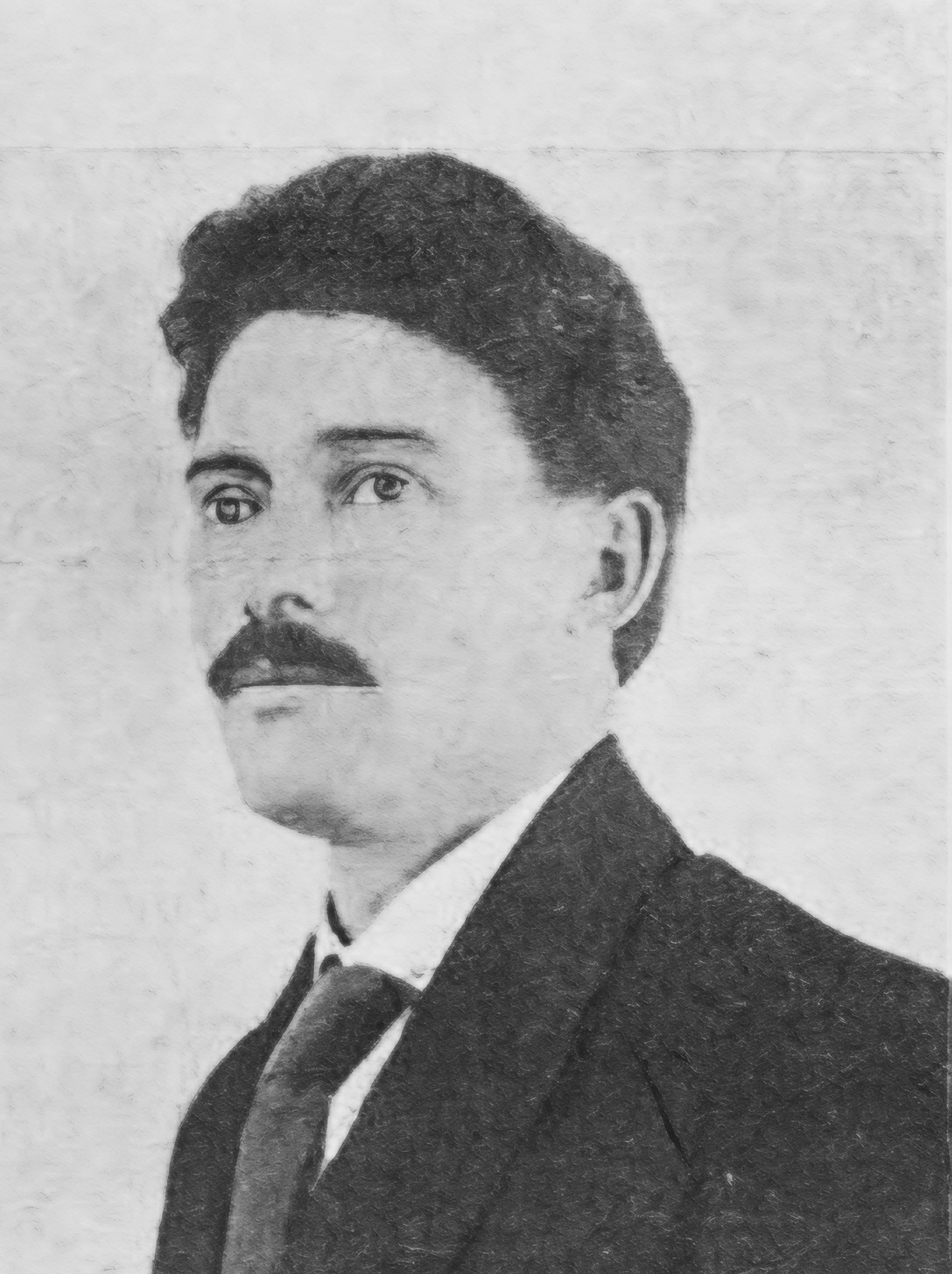
Nikolai Malikov, by Unknown author.
Source: https://commons.wikimedia.org/w/index.php?curid=61032288
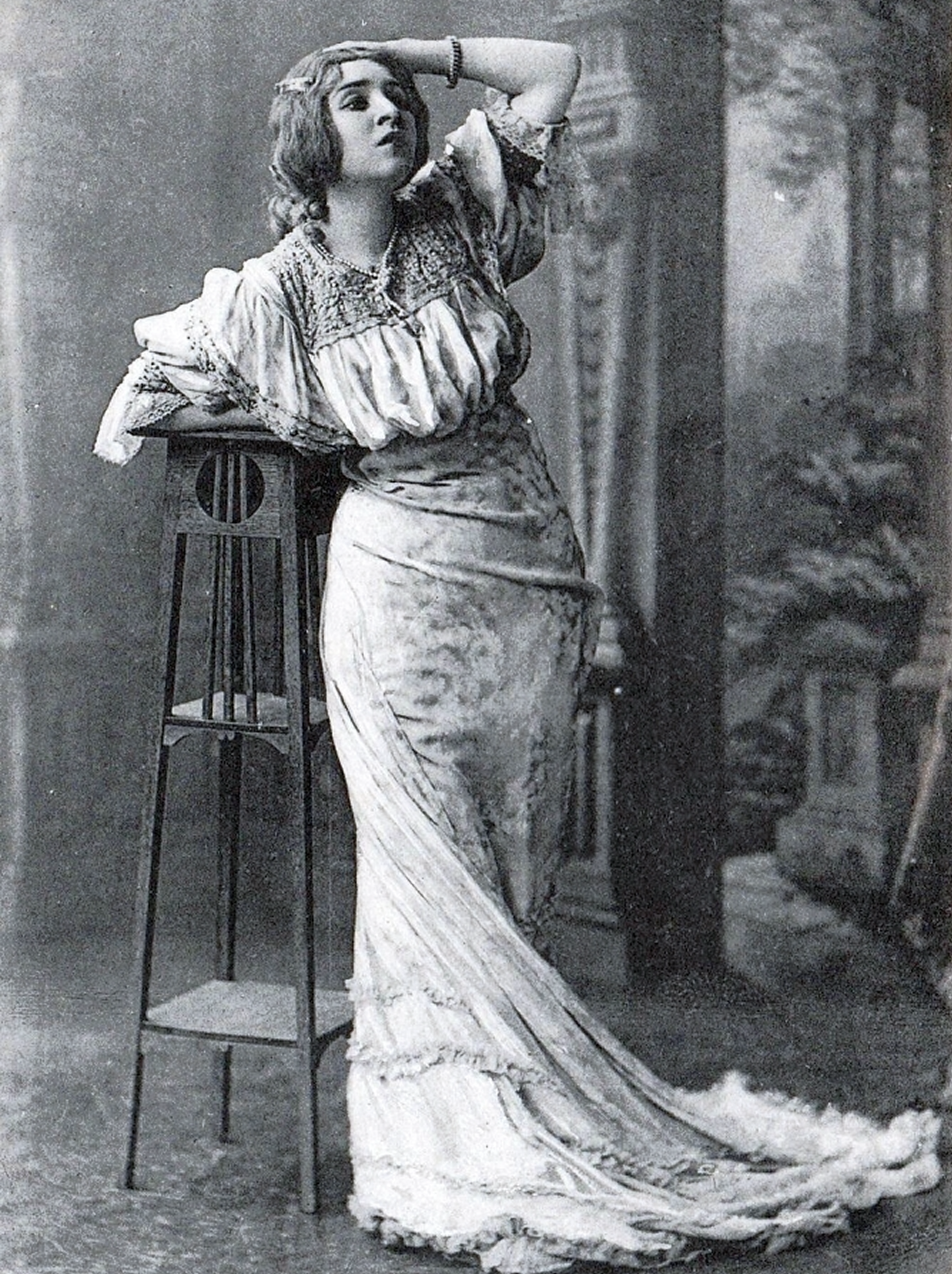
Olga Gozovskaya, K.A. Fisher.
Source: Public domain, via Wikimedia Commons
But we have to question how Saikovsky could promote Zhu-Zhu, a story about a monkey, as a “best film.”3
Saikovsky’s assistant, S.I. Shtein, began his comments with an attack that would seem to be more appropriate for the government officials who created Kinoresbel, rather than those who ran it:
S.I. Shtein
He added that it was proven that “the distribution area is insignificant and unprofitable.” What Shtein mentioned only in passing was his concern for employment. In October of 1921 a different Shtein, Lev Shtein, the Chair of the Mestkoma Kinorabotnikov [Local Committee of Filmworkers], had sent a plea to the Glavpolitprosvet (the Main Political Department) which Rakhlin had taken over on the last day of August.5
Lev Shtein asked that the local committee of film workers take on 10 unemployed musicians, and, together with 53 others, take over running the cinemas in Minsk, allowing the Glavpolitprosvet and the Rabis (Art Workers Trade Union) full control over the artistic and economic side. The proposal emphasized that it would fully guarantee against unemployment.6
Shtein then got on his high horse, decrying the exhibition of the films Ruka-skelet [Skelethånden or The Skeleton Hand], Tayna chernogo avtomobilya [The Mystery of the Black Car] (for which we can find nothing), and the Ernst Lubitsch film, Devushka iz baleta [Das Madel vom Ballett or The Girl from the Ballet]. (Lubitsch would become as popular in the Soviet Union as he became later in the United States.)
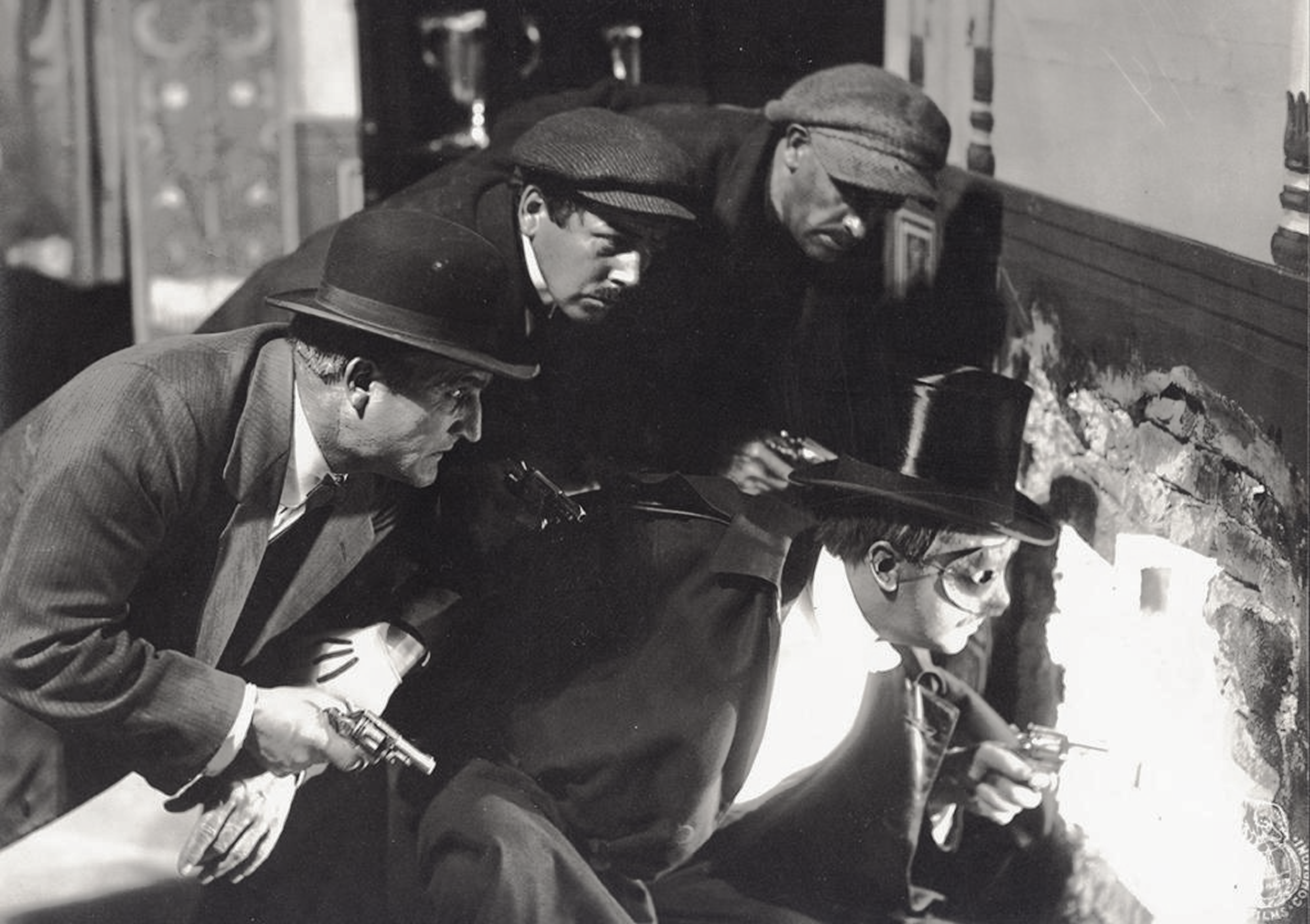
Still from The Skeleton Hand.
Source: : https://www.dfi.dk/en/viden-om-film/filmdatabasen/film/juvelerernes-skraek
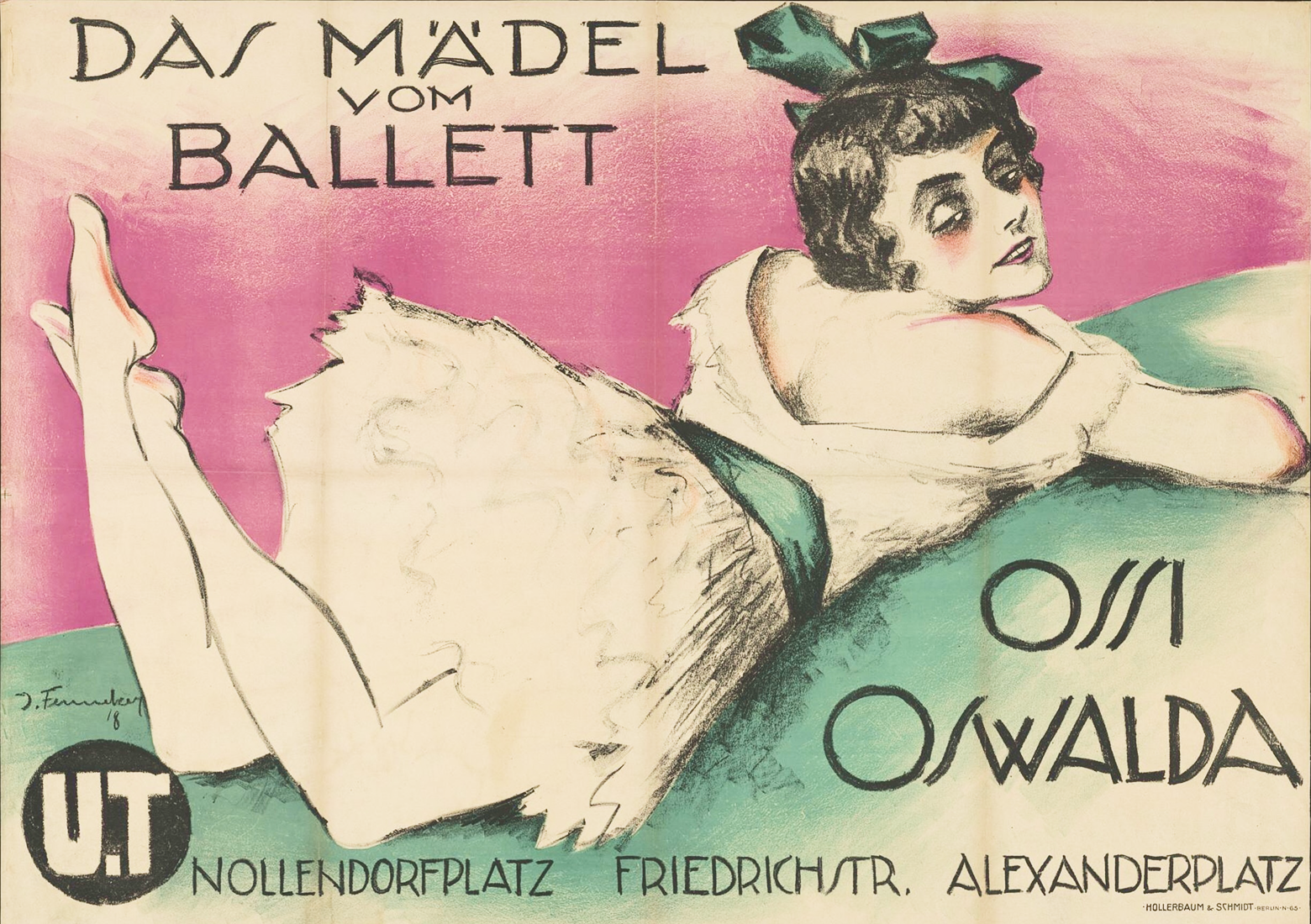
The Girl From the Ballet poster.
Source: https://www.imdb.com/title/tt0009415/mediaviewer/rm4355328

Ossi Oswalda in bathing costume. By unknown author.
Source: https://commons.wikimedia.org/w/index.php?curid=146407536
There is also mention of two other films. One is Tayny starogo zamka [Secrets of the Old Castle.] There is a film, by F.W. Murnau, called Schloss Vogelöd [The Haunted Castle,] from 1921. This fits into the time period and the various German imports into Soviet Russia and Belarus. (Germany and Belarus were already cooperating in trade, even if they did not yet have a trade agreement.7) We think The Haunted Castle is the film mentioned. The last film discussed was Torzhestvo chesti [Triumph of Honor], from around 1914. The only other mention we can find for it is from the Semirechye Gazette from January of 1915.8
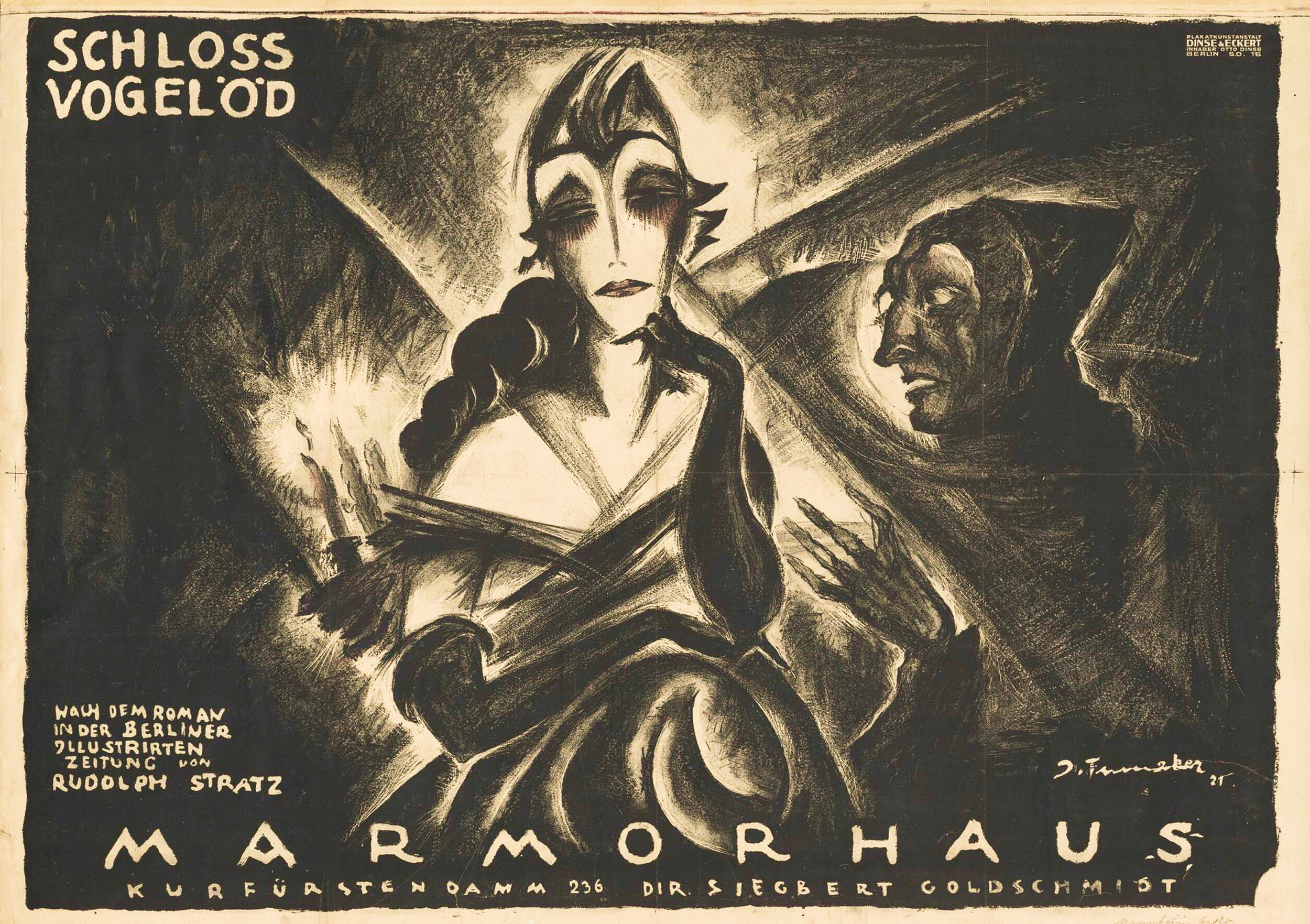
The Haunted Castle. By Josef Fenneker, 1921.
Source: https://commons.wikimedia.org/wiki/File:The_Haunted_Castle_(1921)_by_F._W._Murnau.webm
1 “Raport” [Рапорт; "Report”] № 9413, 3 Aug. 1922 Natsional’nyi arkhiv Respubliki Belarus’ [Национальный архив Республики Беларусь (НАРБ); National Archives of the Republic of Belarus (NARB)], Fond. 101, Opis' 1, Delo 1740, p. 177-78b & 196.
2 Metel [Метель; Snowstorm] Кино-театр.ру https://www.kino-teatr.ru/kino/movie/empire/13368/annot/
3 Metel Кино-театр.ру
4 Dokladnaya Zapiska k delu istorii Kino-Resbel [“Докладная Записка к делу обследования Кино-Ресбел”; “Memorandum to the Kino-Resbel Survey”] 29 July 1922, NARB Fond. 101, Opis' 1, Delo 1740, p. 180-181b.
5 Prikaz no. 96 [“Приказ no. 96”; Order No. 96], 30 Aug. 1921, NARB, Fond. 42, Opis' 3, Delo 2013, p. 4.
6 «V Glavpolitprosvet» [“В Главполитпросвет”; “To the Main Political Education Department:] Oct. 1921, NARB Fond. 14, Opis' 1, Delo 13, p. 1; «Pokazaniya po sushchestvuyushchim delam» [“Показания по существу дела”; Testimony on the Merits of the Case]. 30 Dec. 1921, NARB Fond. 14, Opis' 1, Delo 13, p. 43-44b.
7 Migun, D. A. «Plan Dauesa i germano-belorusskiye otnosheniya v 20-kh gg. XX v.» ["План Дауэса и германо-белорусские отношения в 20-х гг. XX в."; "The Dawes Plan and German-Belarusian Relations in the 1920s"]. Nauchnyye trudy Respublikanskogo instituta vysshey shkoly [Научные труды Республиканского института высшей школы; Scientific Works of the Republican Institute of Higher Education], vol. 17, pt. 1, 2017, pp. 264–74.
8 Azarov, Alesei Vernyy i Semirech'ye 100 let nazad [Верный и Семиречье 100 лет назад; Verny and Semirechye 100 Years Ago] https://www.azattyqasia.org/a/noviy-god-semirechie-sto-let-nazad/26776631.html