
The Arrival of April, Part I
More Films Come to Minsk
As the weather warmed in Minsk in April 1923, so did the movie theater business. The Minsk-based newspaper Zvezda carried advertisements for many movies, some were recently produced, others were old favorites. By this time, the Minsk cinemas had been operating under their new names for more than two years. (The Communists had renamed them once they took over in 1920.) But in April, the theaters began advertising under both their old and new names. That raises the question of whether the new, communist, names ever caught on.
First the Internatsional noted in its ad that it was formerly the Eden. It was showing an older film, Syn Predatelya (The Traitor’s Son) (1915). The ad informs readers that the film was based upon a German novel called Katzensteg [The Cat’s Path].1 We can find only two productions with that name before 1923. The most recent was in 1915, directed by a German director named Max Mack and included the actor Ludwig Trautmann.
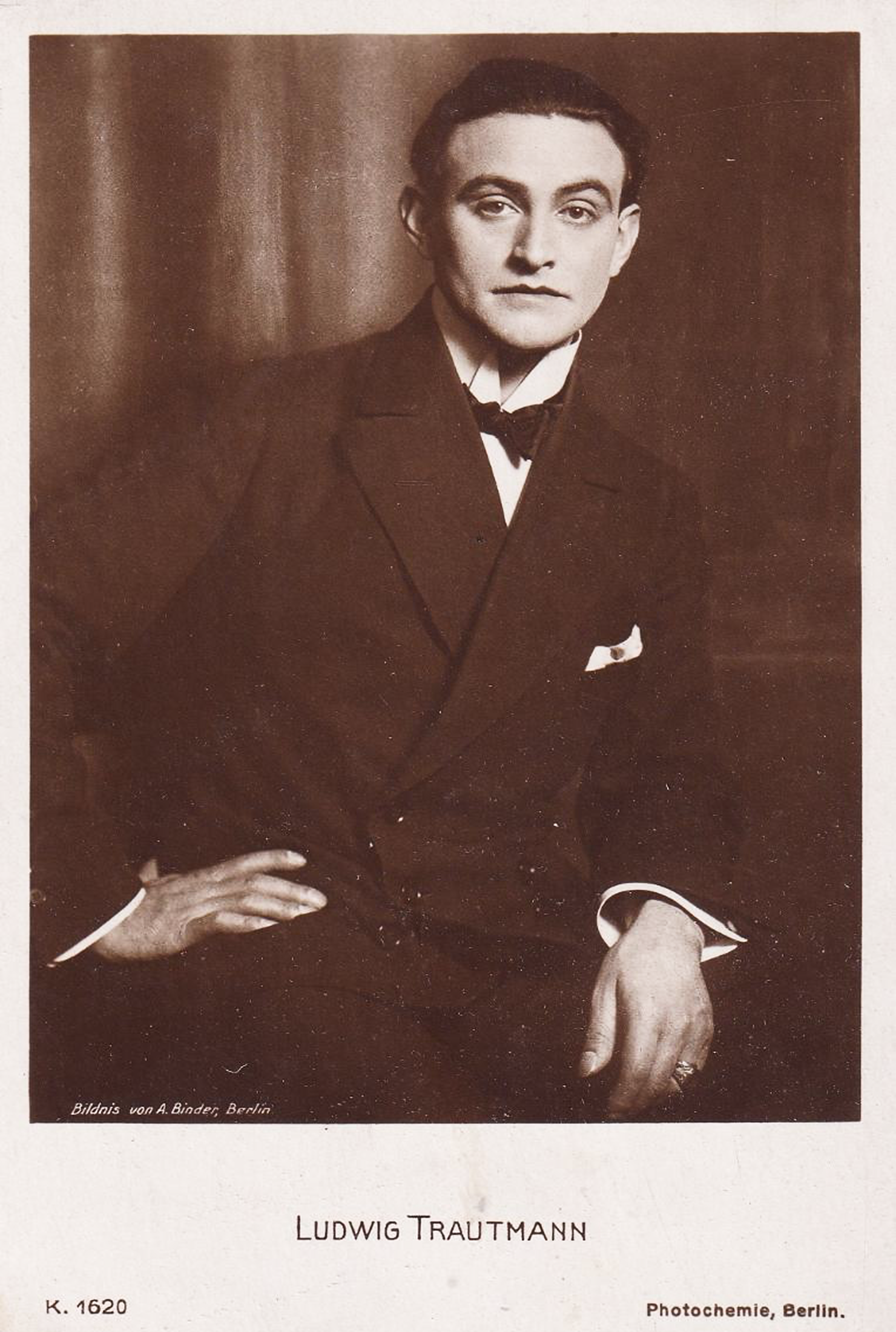
Ludwig Trautmann, a performer in The Traitor’s Son. Source: https://aukro.cz/ludwig-trautmann-herec-34-sq96-6991065846
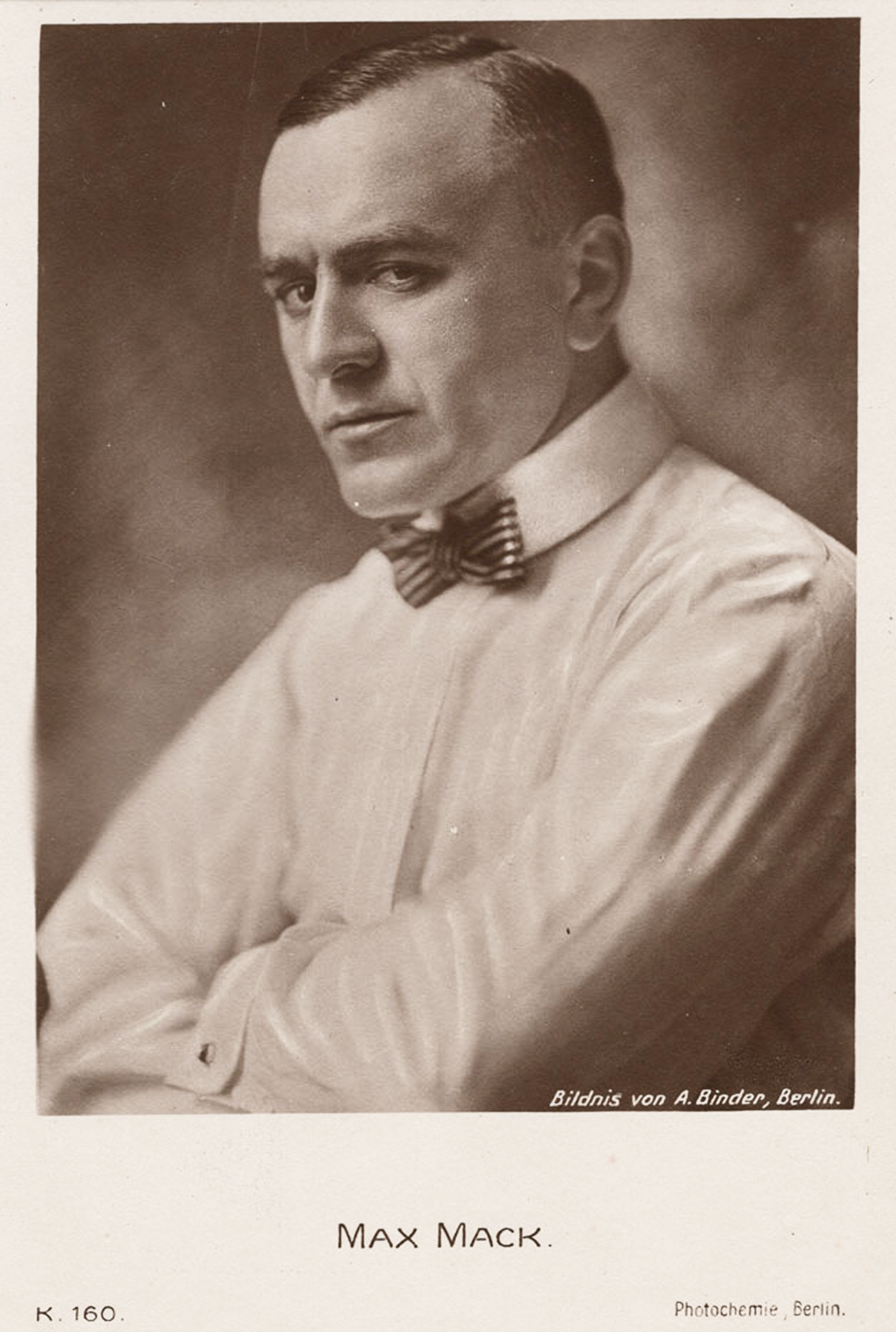
Max Mack, who directed The Traitor’s Son.
Source: https://www.virtual-history.com/movie/person/3860/max-mack/photographs
The Spartak cinema, now also promoting itself as “formerly the New Theater,” on April 4 advertised Tsvety Zapozdalyye (Late Flowers), which we believe is the 1917 film directed by Abram Room, who would go on to direct Soviet movies.2 This one starred Olga Baklanova and featured Maria Uspenskaya, who both later went on to careers in Hollywood.
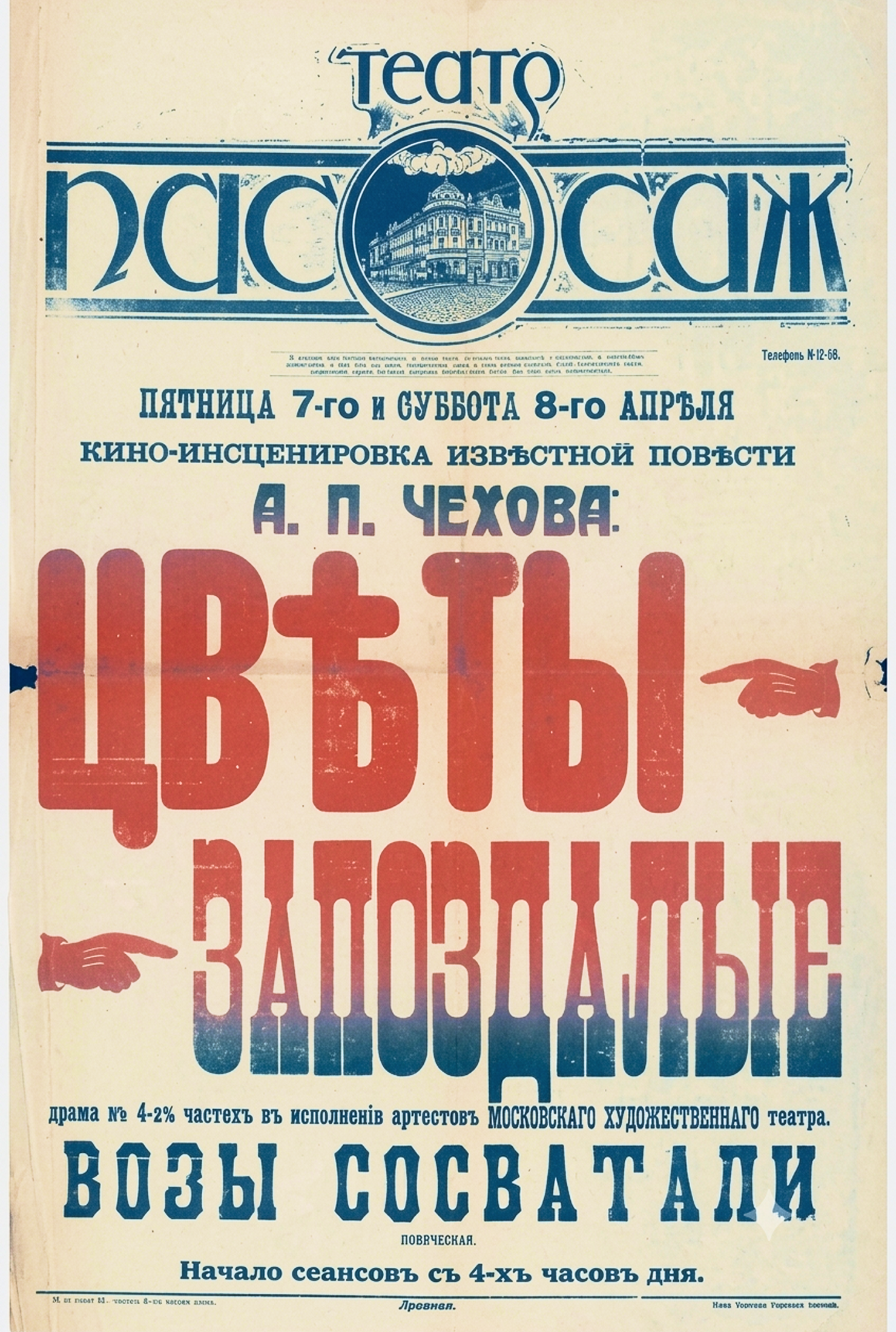
Film Poster for Late Flowers, 1916.
Source: https://www.kino-teatr.ru/kino/movie/empire/14445/annot/
Also on April 4, the Red Star cinema (noting in its advertisement it used to be called the Giant) advertised a Jenny Porten film called Maskarad Zhizni (Masquerade of Life).3 This 1918 film had the original German title of Das Maskenfest des Lebens (The Masked Ball of Life).4 It was paired with Tainstvennyy Neznakomets (The Mysterious Stranger)5, for which we can find nothing.
The Kultura movie theater (noting in its advertisement that it was the former Modern), was screening Chernyy Shoffer (The Black Chauffeur) (1917) with Mia May.6
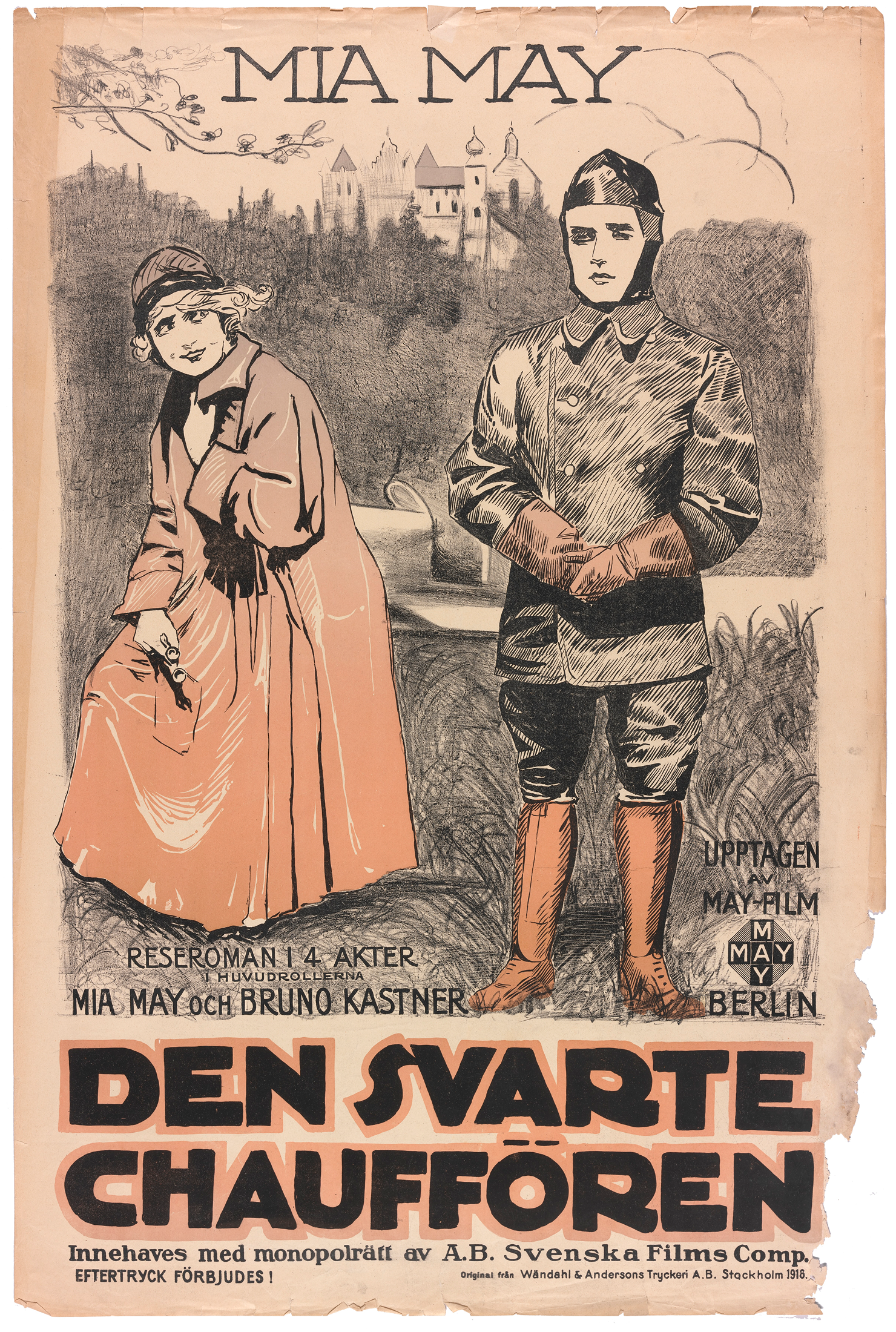
Swedish language poster for The Black Chauffeur.
Source: https://www.alvin-portal.org/alvin/view.jsf?pid=alvin-record%3A181558&dswid=-496

Still from The Black Chauffeur.
Source: https://www.filmportal.de/film/der-schwarze-chauffeur_ed4fed05d2184e12a33bbb669be60136
The Grotesk cinema did not advertise itself as a former anything, because it was not. It occupied the space rebuilt after a fire burned out the location of the first permanent theater in Minsk, operated by early film pioneer Richard Stremer. (see here) The Grotesk did advertise on April 5 that it had a film starring the beautiful Lida Borelli, Malambra [Molombra] (1917).7
Here, the film fit the theater name: grotesque. The plot concerns Marina de Malombra, who lives in a castle. Just before her wedding to the count who owns the castle, she finds and reads letters written by the first wife of the count’s father. She plots revenge for the dead wife, kills the count, and then commits suicide. The only versions we found have Italian intertitles and some scenes are missing.
Malombra, 1917.
The Spartak claimed to be running Sestry Katorzhnitsy (Convict Sisters) starring Lidia Terek and Oleg Freilch.8 The two actually were cast in two films, neither of which had that name. One was Pust' budet snom, chto vy menya lyubili (Let It Be a Dream That You Loved Me) (1917)9 and the other was Chetyre [Four] (1917).10 There is no plot information on the films.
The alternative offered by the Red Star, starting April 8, was Dukhovnyye Ochi (Spiritual Eyes).11
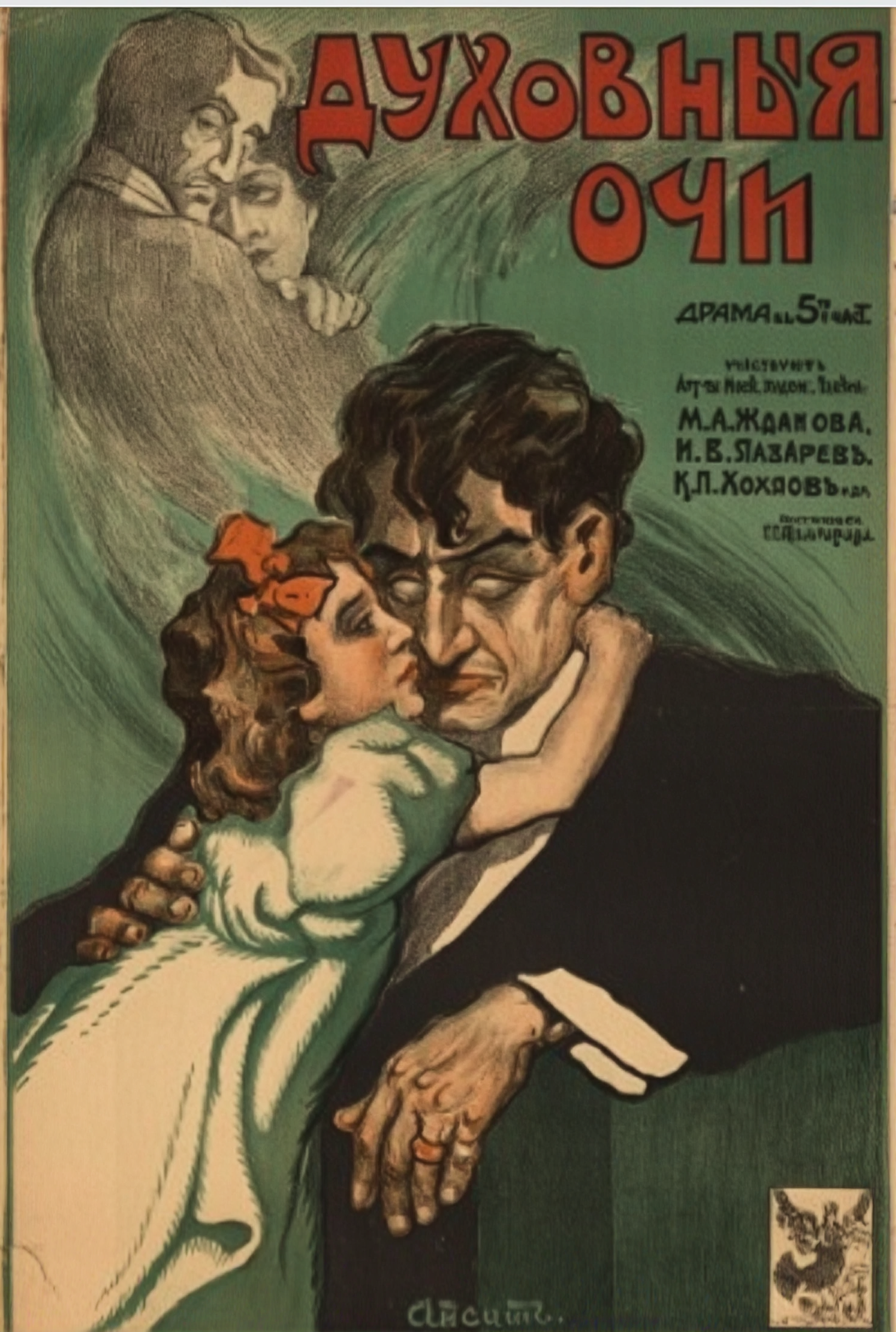
Film Poster for Spiritual Eyes, 1917.
Source: https://www.kino-teatr.ru/kino/movie/empire/89942/annot/
One of the films that got a big ad was titled V burnom potoke zhizni (Mendele gamershteyn) (In the Turbulent Stream of Life [Mendele Hammerstein]), starring an old favorite, Conrad Veidt. Starting April 11, the film played at the Grotesk.12 A German production, it was originally titled Landstraße un Großstadt [Country Road and the Big City] (1921). Natalja Poljakowa, in her doctoral dissertation, cites documents from the Glavrepertkom (Main Committee for the Control of Repertoire) to state that censors had changed the title because they found the film was ‘a drama of petit-bourgeois life,’ which she said showed the censors did not recognize the films dualism of ‘proud poverty’ and ‘corrupting success.’13
April 12 was a date on which a number of new films were shown, but we could not find information on all of them.
The Kultura had Groznaya Sekta Dushegubov [A Formidable Sect of Murderers]14 and the Spartak screened Dlya Milykh Zhenshchin, Prelestnykh Zhenshchin (To Lovely Women, Charming Women).15 We cannot track down with certainty any films with those names.
One film that listed a trackable title but wrong information on performers was Rokovoye (Fatal) (1917), screened at the Internatsional. The advertisement claimed it starred (Grigori) Khmara, “Gundarova, and Lenskoi.”16 The website Kino-Teatr.Ru shows Khmara in the cast, but not the other names.17 The same Kino-Teatr article also indicates that the alternative title for this film was Graf Nirod (Count Nirod). It screened with Kollektsioner Marok (The Stamp Collector), of which we can find no evidence.18
Clearly, in April 1923, the Minsk cinemas were screening films. Almost certainly many had been re-titled for use in either pre-revolutionary Russia or the republics of the new Soviet Union. And, of course, there are always the possibilities that either the cinema owners did not know who was really in the films, or merely put names in the advertisements that they thought would draw a crowd.
The second half of April had its own mélange of old and new movies.
1 Syn Predatelya [Сын предателя; The Traitor’s Son]. Zvezda [Звезда; Star], 75 (1377) 1 Apr. 1923.
2 Tsvety zapozdalyye [Цветы запоздалые; Late Flowers]. Zvezda, 77 (1379) 4 Apr. 1923.
3 Maskarad Zhizni [Маскарад жизни; Masquerade of Life]. Zvezda, 77 (1379) 4 Apr. 1923.
4 Maskarad zhizni [Маскарад жизни; Masquerade of Life] Kinonews.ru https://www.kinonews.ru/shot275635/ Accessed 22 July 2026.
5 Tainstvennyy Neznakomets [Таинственный незнакомец; The Mysterious Stranger]. Zvezda, 77 (1379) 4 Apr. 1923.
6 Chernyy Shoffer [Черный шоффер; The Black Chauffeur]. Zvezda, 77 (1379) 4 Apr. 1923.
7 Malambra [Маламбро; Molombra]. Zvezda, 79 (1381) 6 Apr. 1923.
8 Sestry Katorzhnitsy [Сестры каторжницы; Convict Sisters]. Zvezda, 79 (1381) 6 Apr. 1923.
9 Vishnevsky, Ven. Khudozhestvennyye ' fil'my dorevolyutsionnoy rossii [Художественные фильмы дореволюционной россии; Feature Films of Pre-Revolutionary Russia] Goskinoizdat 1945. p. 136.
10 Vishnevsky, p. 141.
11 Dukhovnyye Ochi [Духовные очи; Spiritual Eyes]. Zvezda, 81 (1383) 8 Apr. 1923.
12 V burnom potoke zhizni (Mendele Gamershteyn) [В бурном потоке жизни (Менделе Гамерштейн); (In the Turbulent Stream of Life (Mendele Hammerstein)]. Zvezda, 83 (1385) 11 Apr. 1923.
13 Puljakowa, Natalja, The Distribution, Censorship and Reception of German films in Soviet Russia of the 1920s. Dissertation submitted in fulfilment of the degree of Doctor of Philosophy, Royal Halloway, University of London, United Kingdom 2015. Pp. 140-141.
14 Groznaya Sekta Dushegubov [Грозная секта душегубов; A Formidable Sect of Murderers]. Zvezda, 84 (1386) 12 Apr. 1923.
15 Za Milykh Zhenshchin, Prelestnykh Zhenshchin [За милых женщин, прелестных женщин; To Lovely Women, Charming Women]. Zvezda, 84 (1386) 12 Apr. 1923.
16 Rokovoye [Роковое; Fatal]. Zvezda, 84 (1386) 12 Apr. 1923.
17 Rokovoye [Роковое; Fatal]. Kino-Teatr.ru https://www.kino-teatr.ru/kino/movie/empire/15196/annot/
18 Kollektsioner marok [Коллекционер марок; The Stamp Collector]. Zvezda, 84 (1386) 12 Apr. 1923.