
A Lost Cause
This article continues the last several articles, all of which followed the dissolution of Kinoresbel.
The head of Kinoresbel, Moise Dinershtein, and the deputy, Samuel Rakhlin, issued what almost seems like a perfunctory joint response to Rabkrin’s (the Workers and Peasants Inspectorate) “Act 30.” They pointed out that they were given an organization with no working capital (a situation that would be echoed when Belgoskino was created a few years later), and three theaters that they received from the Glavpolitprosvet (the Main Political Education Department) “— but we received them saddled with all their debts, with all their unpaid current liabilities, with all their financial deficits, and with a completely undisciplined staff of employees…”
They did not mention any of the private contracts entered into by the Photo Kino Department other that to say they would not enter into new ones because they found private contractors “unreliable.” 1
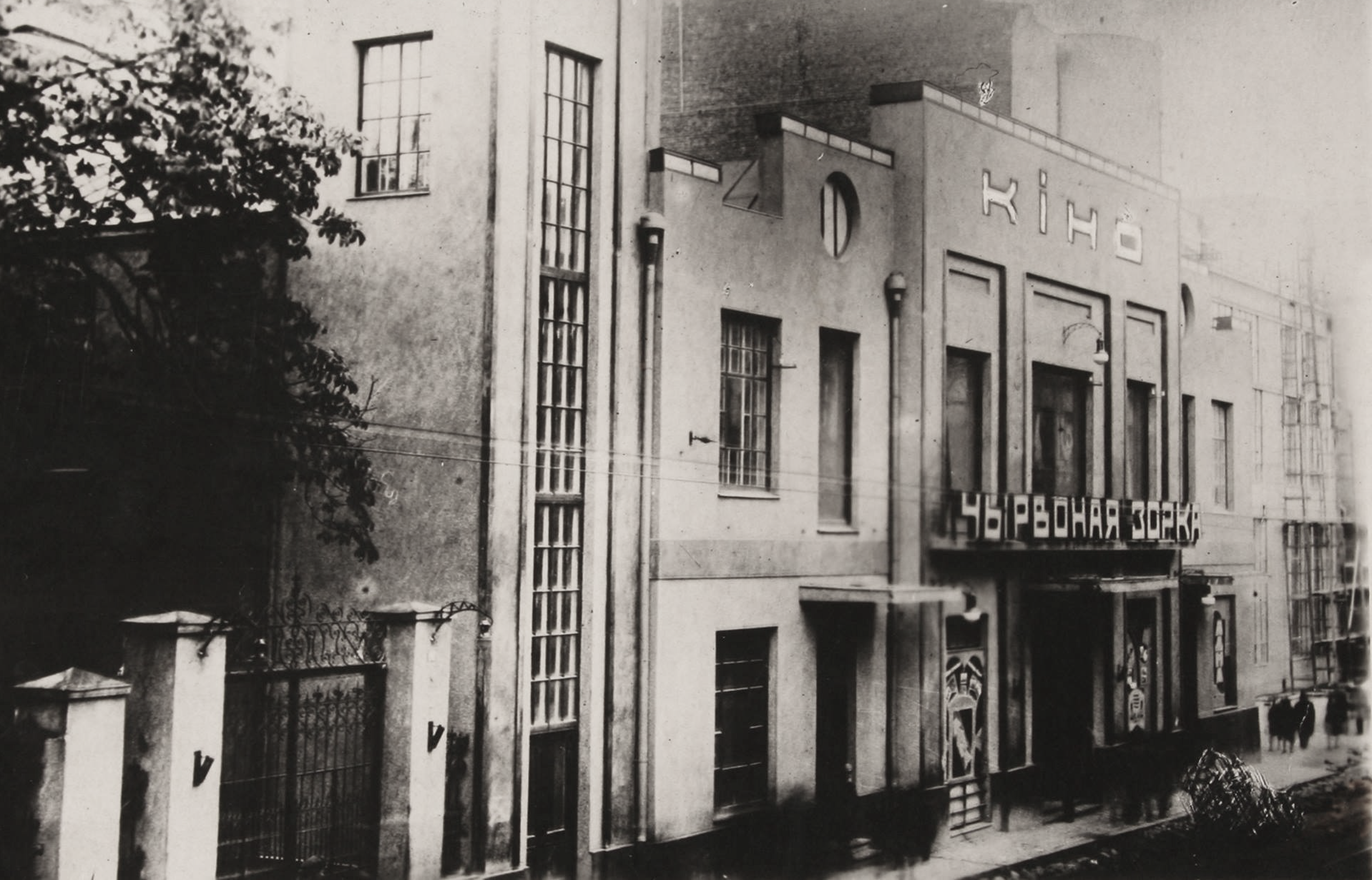
The auditors did not like the films shown at the Red Star cinema in Minsk.
Source: https://facebook.com/MinskPhotoHistoryNew
Likewise, the Narkompros (the People's Commissariat of Education) response was not very strong. The two-page written “conclusion” claims that the audit was premature because Kinoresbel was only six weeks old at the time the audit was conducted. The conclusion also states Kinoresbel’s “activities differ fundamentally from those of the Cinematographic Section of the Main Political Enlightenment Directorate.” The conclusion did describe those it saw as behind the attempt to discredit Kinoresbel.
These individuals, displaced by the state monopoly over the photo-cinema industry, have resorted to methods of “NEP (Lenin’s New Economic Policy)-style competition” in an attempt to discredit Kinoresbel from its very inception and clip its wings.2
“Conclusion” Legal Counsel of the Narkompros regarding the audit of Kinoresbel
It is very possible that “these individuals” included Marcus Mnuskhin, who, as we earlier reported had a contract to run a theater in Bobruisk, and Mark Aronov, who had contracted to provide films. Both of those contracts, of course, were executed by the Photo-Kino Department (to see where we discussed these contracts earlier, click here).
For all of that, the strongest condemnation Narkompros had of the audit was that it was “premature.”3
Rakhlin issued an individual response that slammed the Act. In the following he refers to Mr. M. Belkind, who was named to lead the Photo-Kino Department in 1921 when the previous head, Abram Lifshitz, was removed from the job and arrested. (See here) Belkind was not employed by Kinoresbel when the Photo-Kino Department was closed.
Incidentally, the cited facts in the act are not documentary evidence, as the act itself admits, but “recollections” — specifically those of Belkind, who spoke in my presence and expressed himself with phrases like “it seems,” “maybe,” and could not recall anything precisely. 4
S. Rakhlin
Rakhlin also listed the films that Kinoresbel had contracted to show in Minsk: Genuezskaya konferentsiya [The Genoa Conference], Neterpimost' [Intolerance] (certainly the D.W. Griffith film), Myatel' [The Tide], Zolotaya osen'Golden Autumn (Russia 1918), Golgofa zhenshchini; [Golgotha of Women], Zhu-Zhu [Zhu-Zhu] (a film about “an African monkey” shown earlier in Minsk, click here) and Otets Sergiy [Father Sergius]5 (by this time an old standby). (Click here).
This clip from The Genoa Conference has intertitles that look like they were written with chalk on a blackboard.
We were unable to track down anything on The Tide, but we did find some information on Golden Autumn, “a 1918 film about the life of the French Aristocracy” which starred Maria Vedrinskaya and Vladimir Strizhevsky. It was directed by Alexander Ivanovsky.
Golgotha of Women (Also known as A Woman's Cavalry) was a 1919 film starring Natalia Lisenko and Vladamir Gaidarov, directed by Yakov Protazanov.
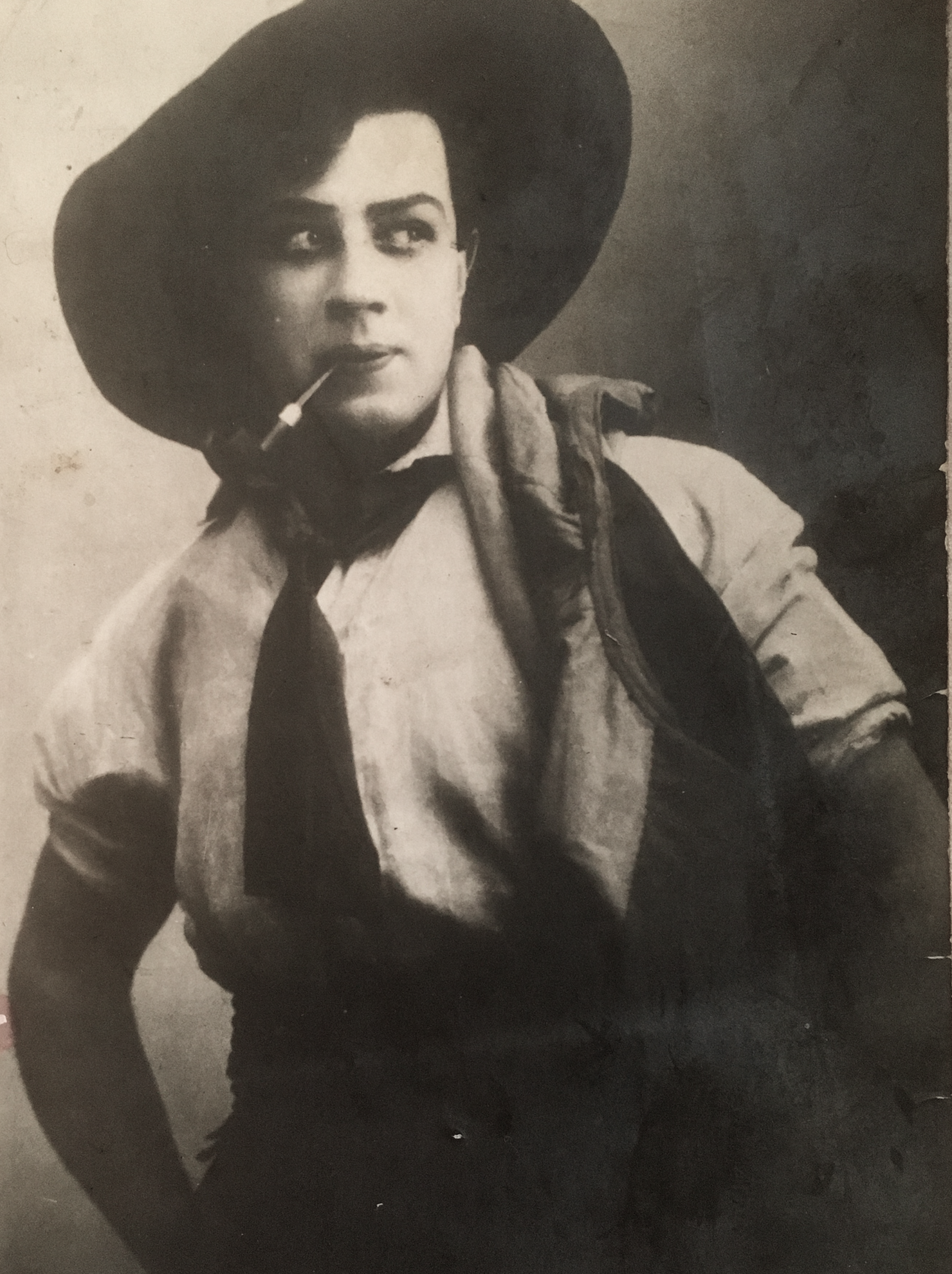
Vladimir Strizhevsky.
Source: Daydreams Early Cinema Database. https://daydreams.museum/film/48bd19066e8b5d00e41b84bc0967f70f/?tab=video
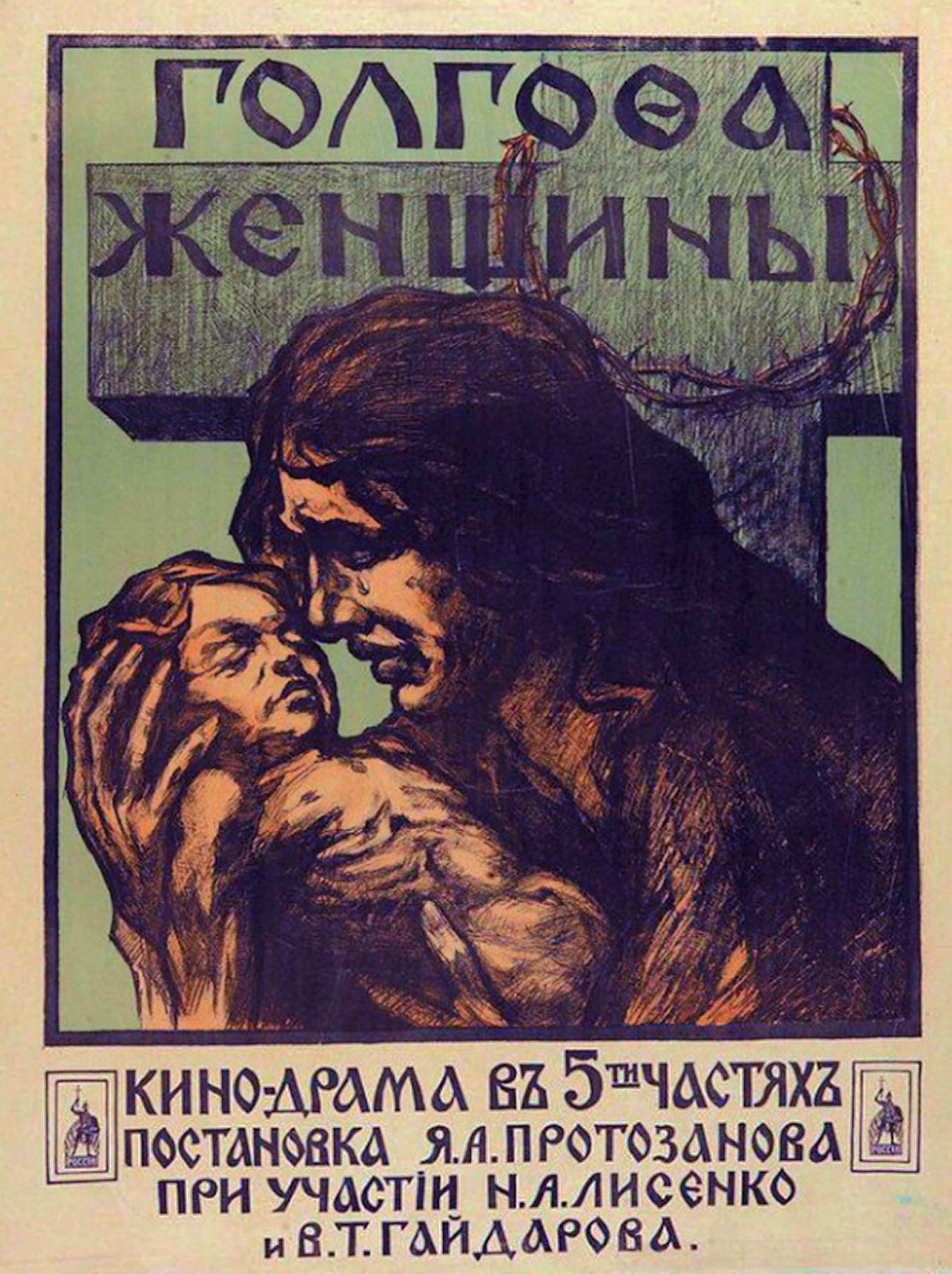
Golgotha of Women movie poster.
Source: https://www.csfd.cz/film/479870-golgofa-zhenshchiny/galerie/plakaty/
Rakhlin also complained about the films that those performing the audit asked to see. He noted that they were not chosen “freely” but taken at the insistence of the local committee representative, who demanded these specific titles and not others. (As we wrote in an earlier article, those films were Maska grekha [The Mask of Sin], Stradaniye lyubvi [The Suffering of Love], Shuler [The Gambler], Dvoryanskoye gnezdo* [A Nest of Nobles], and Iskupleniye krov'yu [Atonement of Blood].7 (See here))
Rakhlin pointed to the films that the auditors did not see: Spyashchaya tsarevna [The Sleeping Princess or The Sleeping Tsaritsa], Budem kak solntse [Let Us Be Like the Sun], and Lyubov' pod yuzhnym solntsem [Love Under the Southern Sun or Goats and Kids]7. The last film is also known as Goats…Little Goats…Male Goats (We will just call it Goats). While there are references to Let Us Be Like the Sun and Goats in various Russian film history books, there do not seem to be any pictures from the films.
For Goats, we can at least show you pictures of two of the leading actors, Natalia Kovanko and Victor Turzhansky,8 and for the picture Let Us Be Like the Sun, we can show you pictures of Nikolai Radin and Oleg Freilich.9 Freilich later became a director for the new Belarusian State Film Company.
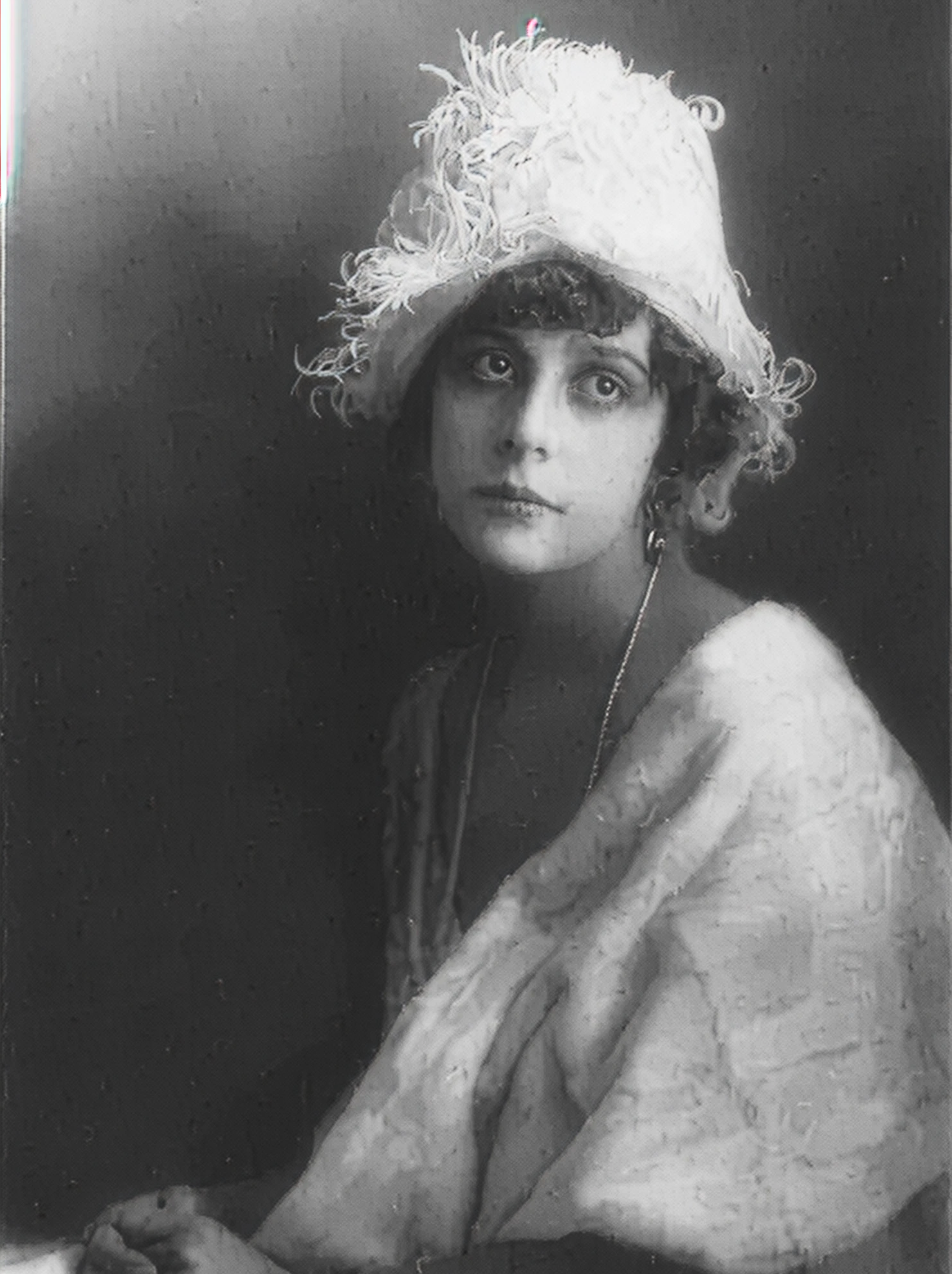
Natalia Kovanko, Goats…Little Goats…Male Goats movie.
Source: https://www.kino-teatr.ru/kino/acter/w/euro/251949/foto/1292300/
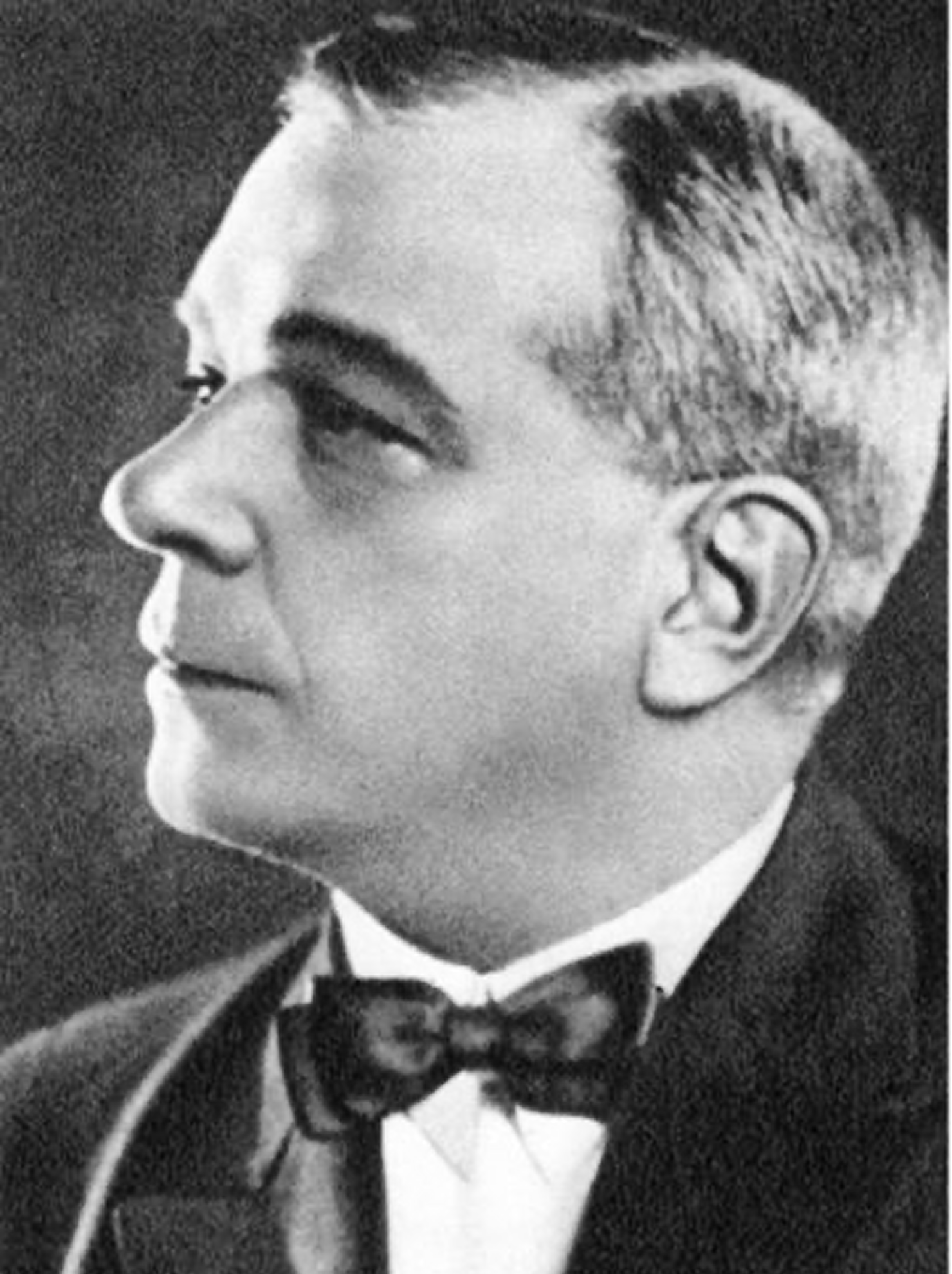
Nikolai Radin, Let Us Be Like the Sun movie.
Source: https://www.kino-teatr.ru/kino/acter/m/sov/33419/foto/120452/
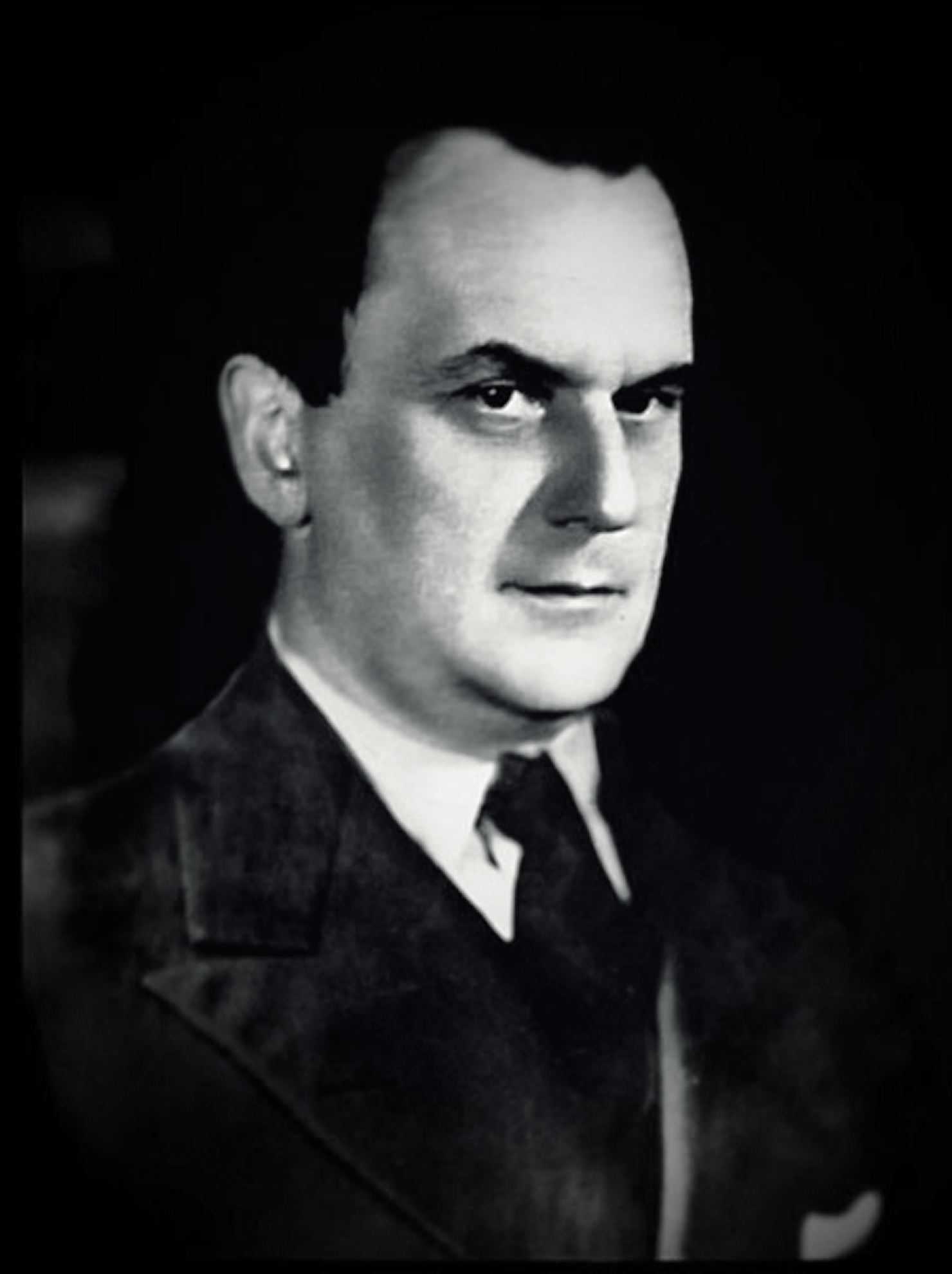
Victor Turzhansky, Goats…Little Goats…Male Goats movie.
Source: https://matsam.livejournal.com/4431791.html
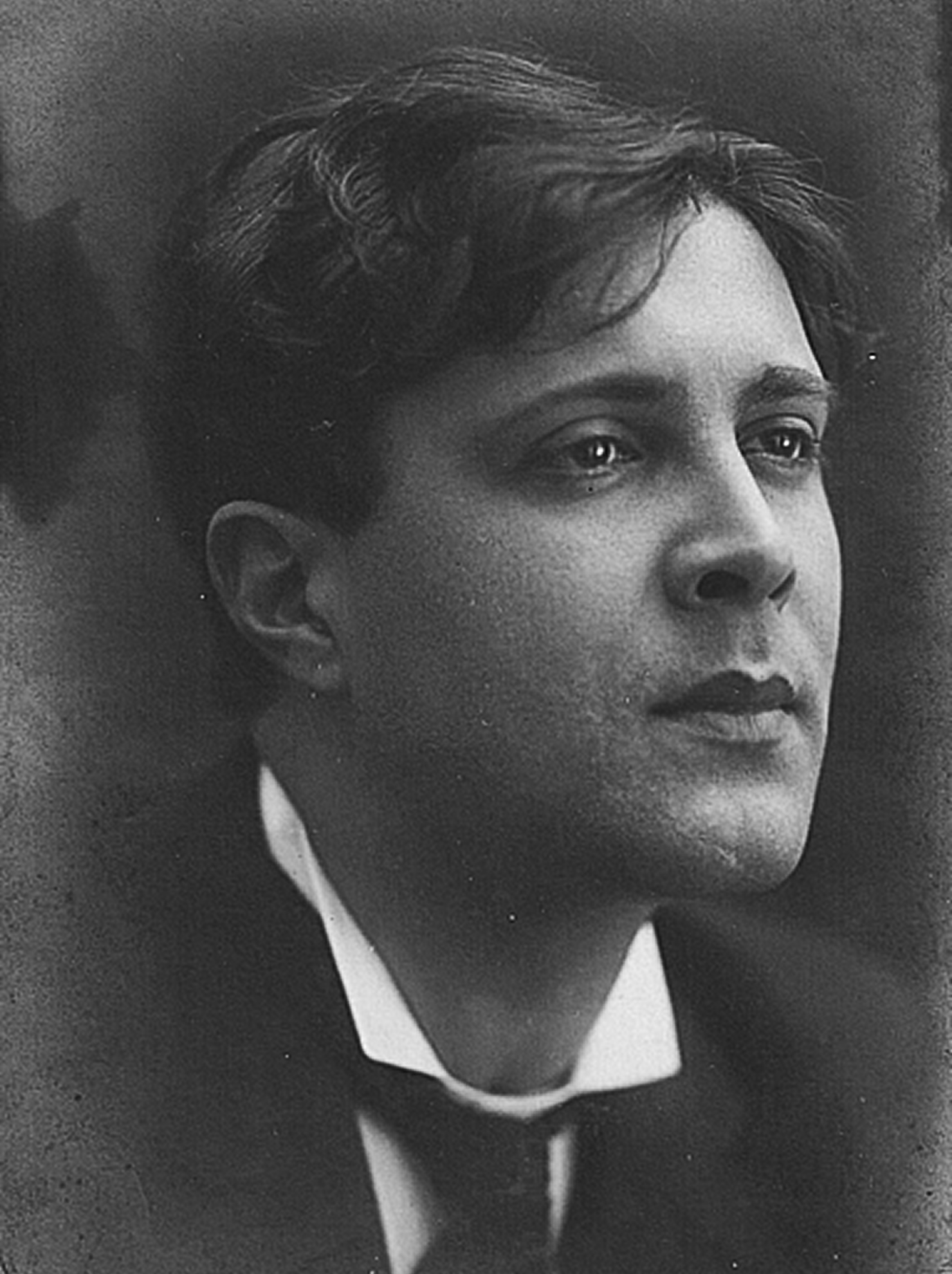
Oleg Freilich, later a Belgoskino director, Let Us Be Like the Sun movie.
Source: https://www.kino-teatr.ru/kino/acter/m/sov/6866/foto/615047/
Dinershtein and Rakhlin never really had a chance. They must have known that Kinoresbel was doomed, considering how quickly the audit came and the flimsy evidence on which the audit was based. Kinoresbel and Dinershtein would hang on a little while longer, but Rakhlin was quickly out. Kinoresbel would soon be shut down.
1 V kollegii narkomprosa direktor Kinoresbel M. Dinershteyna i S.Rakhlina, dokladnaya zapiska [В коллегию наркомпроса, Директор Киноресбел М. Динерштейна и С.Рахлина, докладная записка; To the Collegium of the Narkompros, from Directors of Kinoresbel M. Dinershtein and S. Rakhlin, Report Memorandum]. (date is not given, but year is 1922) Natsional'nyy arkhiv Respubliki Belarus' (NARB) [Национальный архив Республики Беларусь (НАРБ) National Archives of the Republic of Belarus (NARB)], Fond 42, Opis' 1, Delo 133, pp. 37-38.
2 Zaklyucheniye yuriskonsul'ta Narodnogo Komissariata Prosveshcheniya Belorussii po voprosu s revizii Kinoresbela [Заключение юрисконсульта Народного Комиссариата Просвещения Белоруссии по вопросу с ревизии Киноресбела; Conclusion Legal Counsel of the Narkompros regarding the audit of Kinoresbel] 22 Aug. 1922 NARB Fond 42, Opis' 1, Delo 133, pp. 32–32b.
3 Conclusion Legal Counsel of the Narkompros regarding the audit of Kinoresbel.
4 Rakhlin, S. V Narodnyy Komissariat Trudo-Krest'yanskoy Inspektsii, Zam. Upravlyayushchego Kinoresbel S. Rakhlina, Ob"yasneniye Aktu no. 30 [В Народный Комиссариат Рабоче-Крестьянской Инспекции, Зам. Управляющего Киноресбел С. Рахлина, Объяснениея Акту no. 30; To the People’s Commissariat of Workers’ and Peasants Inspection. From Deputy Manager of Kinoresbel S. Rakhlin. Explanation Regarding Act No. 30.] 1 Aug. 1922. NARB Fond 42, Opis' 1, Delo 133, pp. 39-42.
5 To the People’s Commissariat of Workers’ and Peasants Inspection. From Deputy Manager of Kinoresbel S. Rakhlin. Explanation Regarding Act No. 30.
6 Golgofa zhenshchiny [Голгофа женщины; Golgotha of Woman], Kino-Teatr.ru [Cinema-Theater] https://www.kino-teatr.ru/kino/movie/empire/13317/annot/. Accessed 20 Nov. 2025.
7 To the People’s Commissariat of Workers’ and Peasants Inspection. From Deputy Manager of Kinoresbel S. Rakhlin. Explanation Regarding Act No. 30.
8 Kozy... kozochki... kozly... [Козы... козочки... козлы...;Goats…Goats…Goats] Kino-teatr.ru https://www.kino-teatr.ru/kino/movie/empire/12618/titr/. Accessed 20 Nov. 2025.
9 Grashenkova, I.N.. Kino Serebryanogo veka. Russkiy kinematograf 10-kh godov i Kinematograf Russkogo posleoktyabr'skogo zarubezh'ya 20-kh godov [Кино Серебряного века. Русский кинематограф 10-х годов и Кинематограф Русского послеоктябрьского зарубежья 20-х годов; Cinema of the Silver Age: Russian Cinema of the 1910s and the Cinema of the Russian Post-October Emigration of the 1920s] 2005, Moscow p. 91; Vishnevsky, Ven. Khudozhestvennye fil’my dorevolyutsionnoy Rossii [Художественные фильмы дореволюционной России; Feature Films of Pre Revolutionary Russia]. State Film Publishing House, 1945, p. 194.