
The Financial Situation for Cinema in Vitebsk
Six years of fighting, from the beginning of World War I in 1914 to the end of the civil war/border wars in 1920, left the new countries formed from the old Russian Empire financially desperate. Lenin’s New Economic Policy (the NEP), begun in 1921, helped bring the economy back to life. It appears to have worked with the cinema. The catch was, as cinema got financially healthier, it became the object of higher taxes.
Cinema ticket prices in Vitebsk were boosted 50% the first week of November 1921. All of that extra went to the fund for relief of the starving.1 (This was the same time that Minsk was showing Golod v Povolzh'ye [Hunger in the Volga Region] at the Krasnaya zvezda [Red Star]. (see here)
Finding films to show could also be an expensive proposition. Under the NEP movie theater operators were often at the mercy of private businessmen to provide films. Competition among the cinemas for desired movies could raise film rental prices. This was the complaint in April 1922 when the Vitebsk Pravleniye Khudozhestvennykh Predpriyatiy [Board of Artistic Enterprises] complained about the opening of the Giant cinema in the club owned and run by the Soyuz Metallistov [Union of Metalworkers]. The Board said it normally paid about 30% of its gross revenues for the films. This was much more favorable, said the Board, than the situation in Minsk and Smolensk, which paid from 40-50% of the gross revenues for pictures.2 The Board then said that opening of the Giant as competition meant that prices would go up.3
Still, the Board boasted this film lineup for the summer of 1922:4
Orleanskaya deva [The Maid of Orleans] (which we discussed previously, see here)
Darmoyedka [The Parasite],
Zlo Mira [The Evil of the World], which, it turns out, was the Russian title for the American D.W. Griffith’s film Intolerance.5 (See our earlier mention of it here)
Other films included:
- Dubrowsky (A German film of the Pushkin story),
- Tsvety Zapozdalyye [Late Flowers],
- Tri Portreta [Three Portraits] See here)
- Prodannaya zhizn' (Lyudi gibnut za metall) [Life Sold (People Die for Metal)].
We were able to find links to Joan the Woman.
Joan the Woman, 1916.
And to Zlo Mira [The Evil of the World/Intolerance]. But beware of this one. It is almost three hours long.
Intolerance, 1916.
Parasite starred the handsome Petr Baksheev.
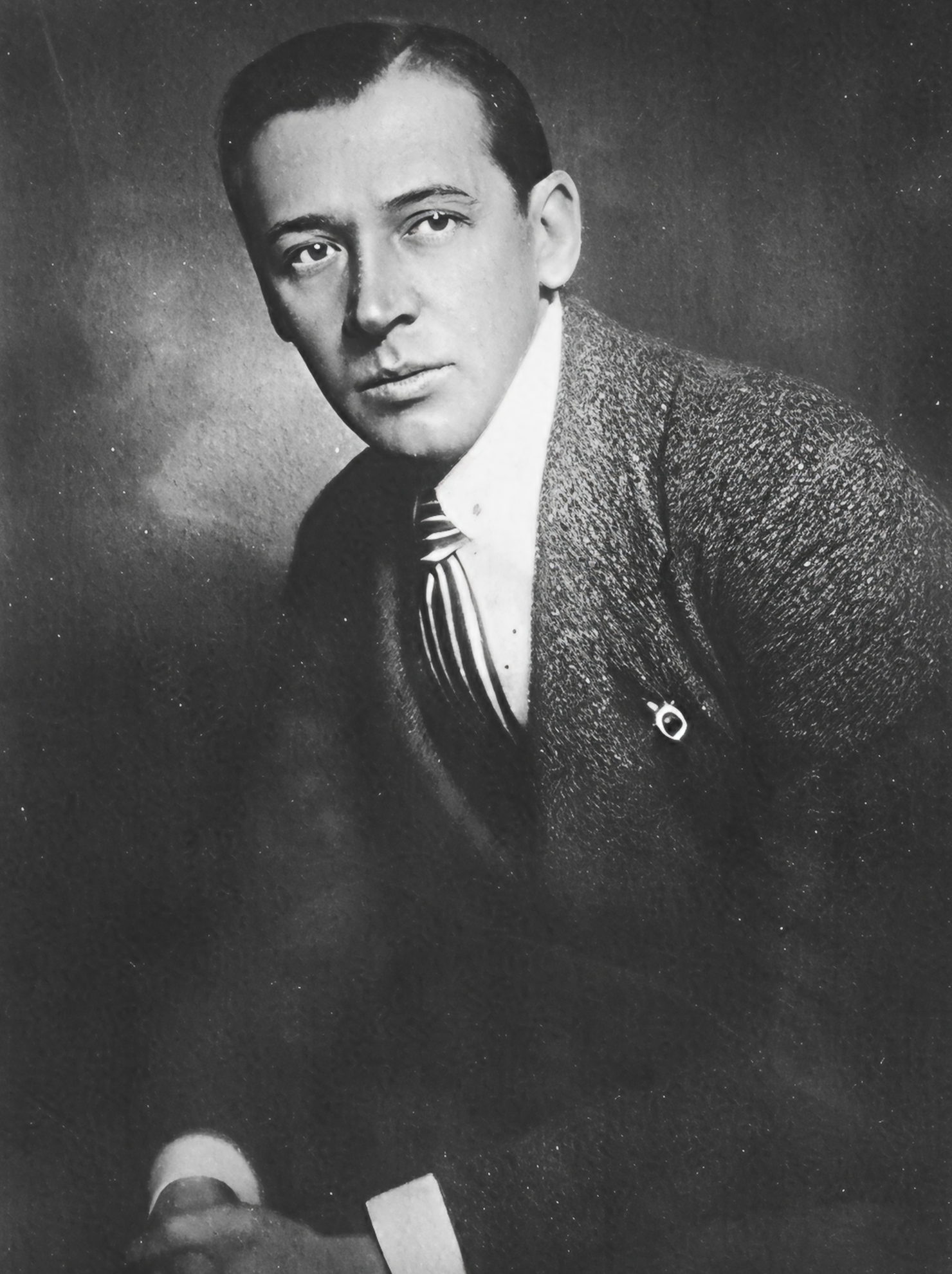
Petr Baksheev portrait.
Source: https://moviessilently.com/2024/10/13/the-queen-of-spades-1916-a-silent-film-review/
Dubrowsky starred, among others, Tamara Duvan, who was also seen in the 1916 version of Pikoyava Dama [The Queen of Spades. We have a link to it here].
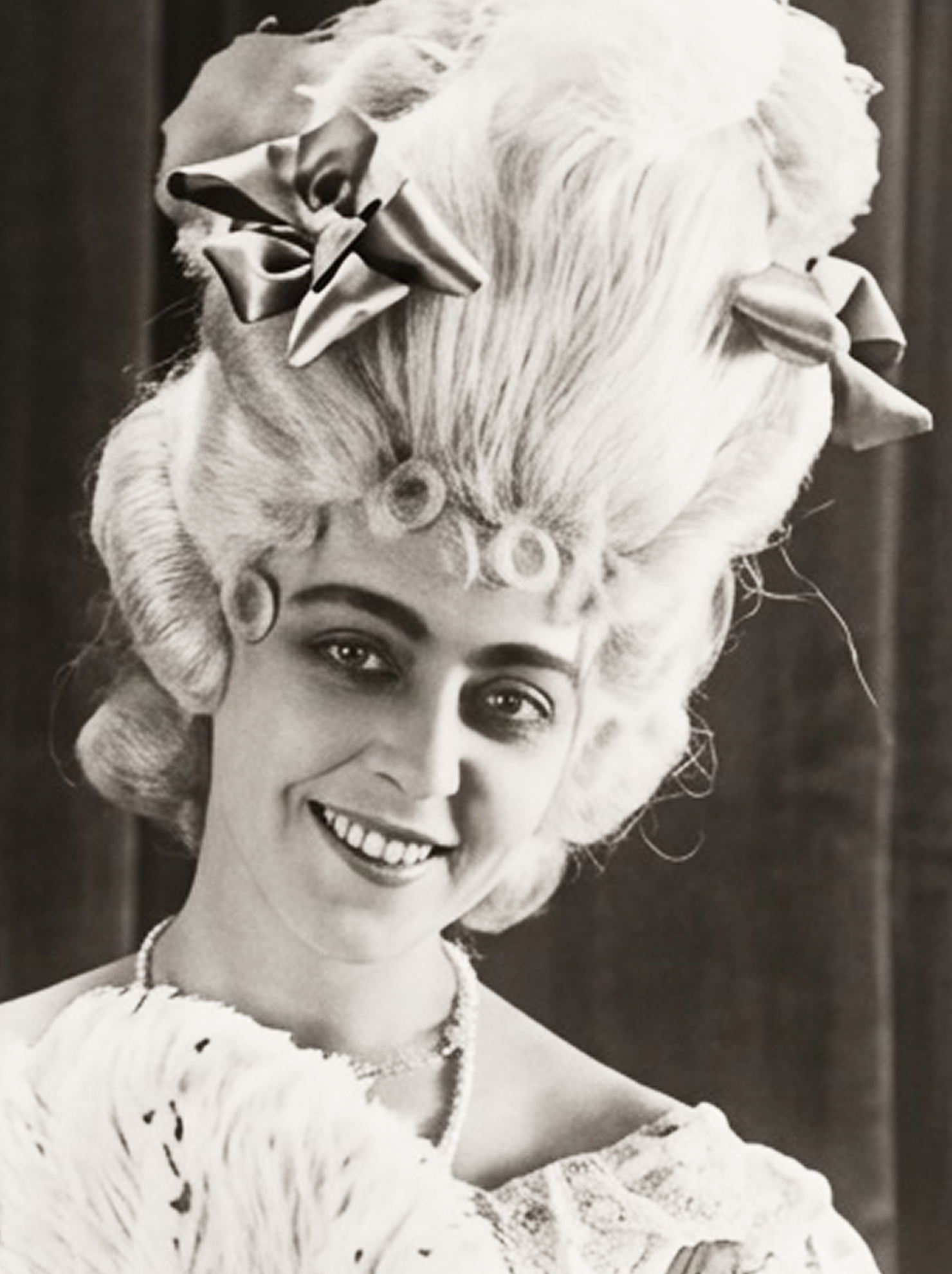
Tamara Duvan (AI enhancement).
Source: https://moviessilently.com/2024/10/13/the-queen-of-spades-1916-a-silent-film-review/
Life Sold (People Die for Metal) counted among its performers Zoya Karabnova, who was in a number of pictures
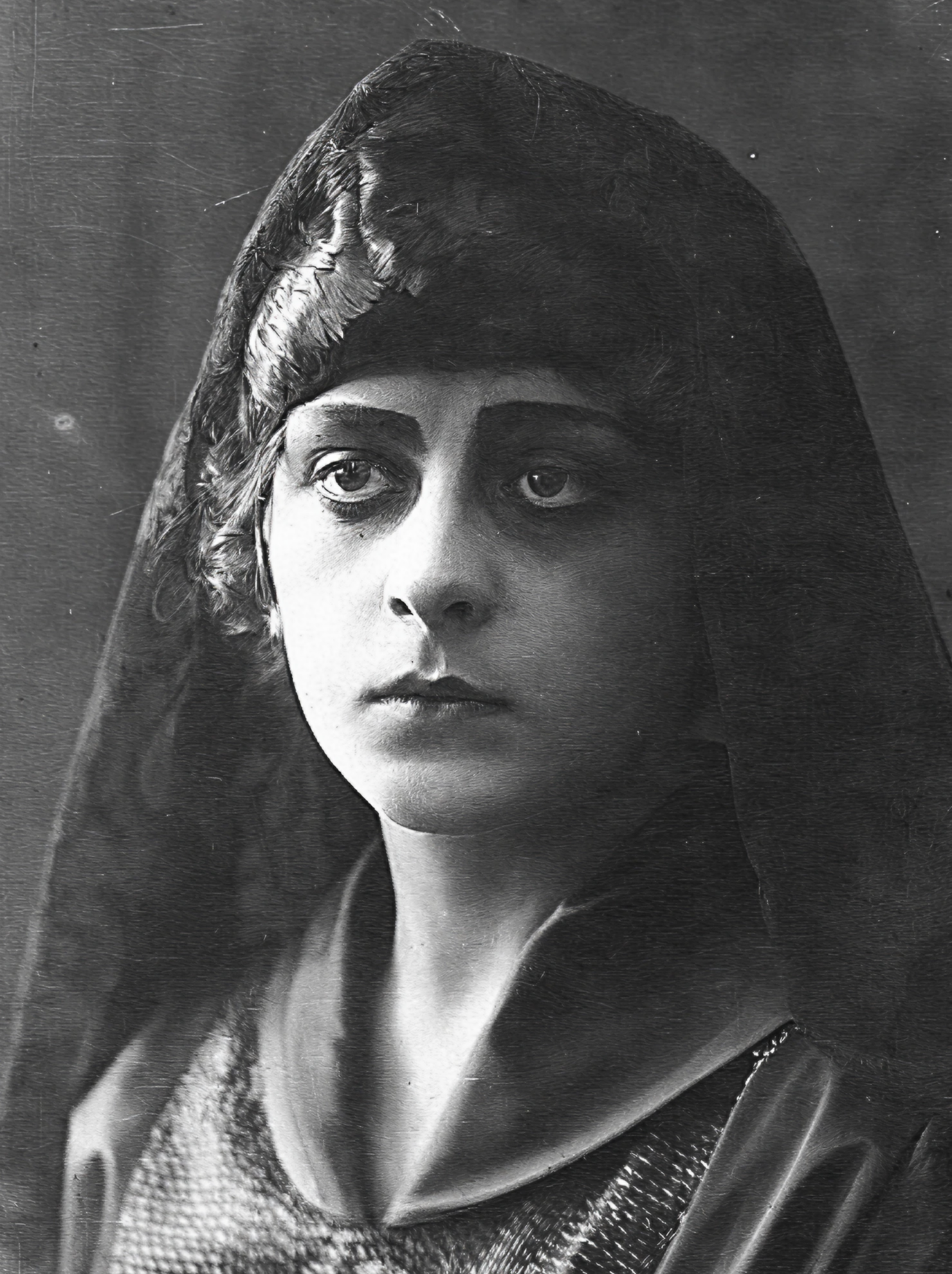
Zoya Karabanova portrait (AI enhancement).
Source: https://www.kino-teatr.ru/kino/acter/w/hollywood/160110/foto/613984/
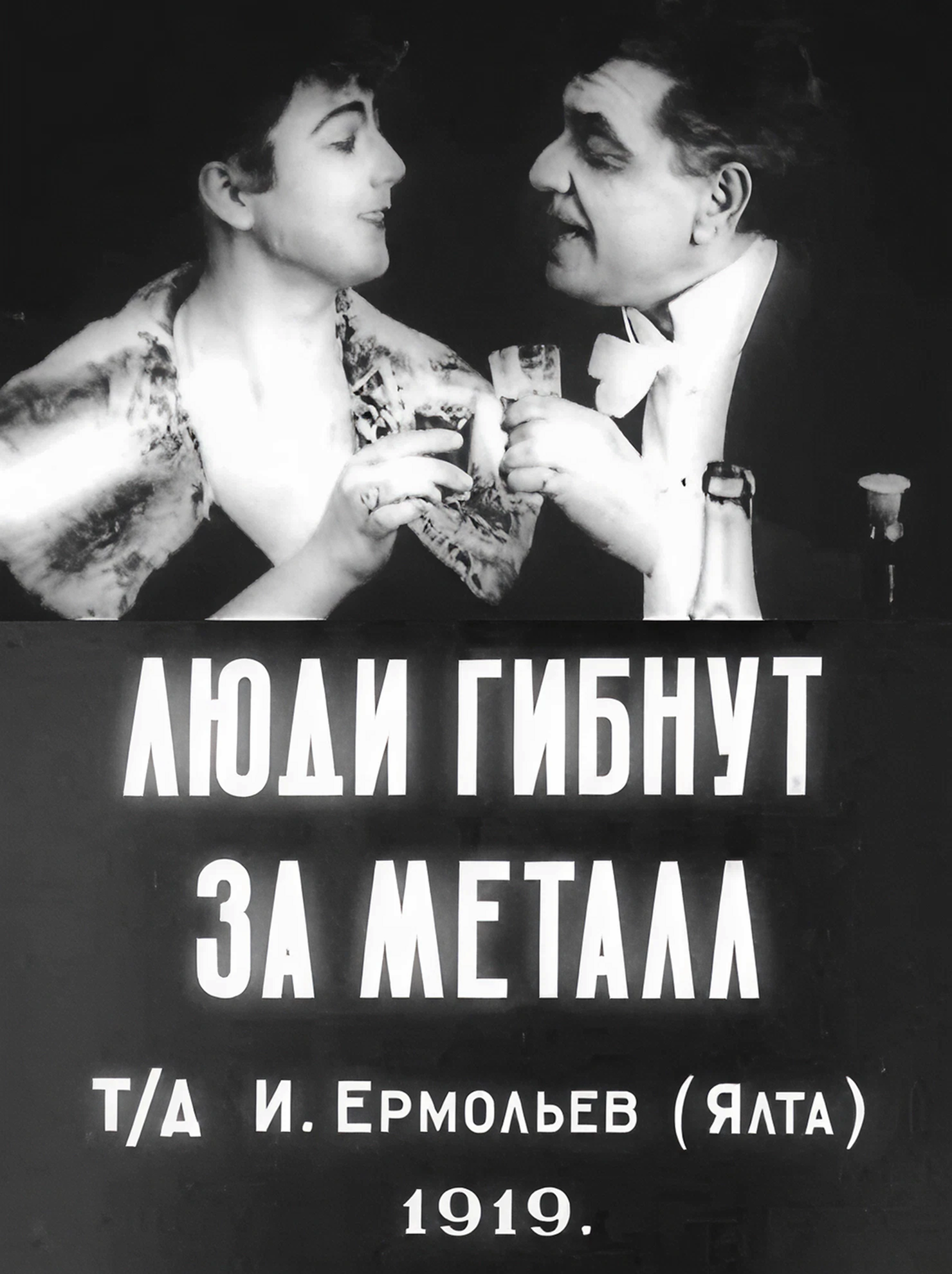
People Die for Metal, titles.
Source: https://nnmclub.to/forum/viewtopic.php?t=1607468
Late Flowers starred Olga Baklanova, who went on to Hollywood stardom, as well as Maria Ouspenskaya, who also made a Hollywood mark.
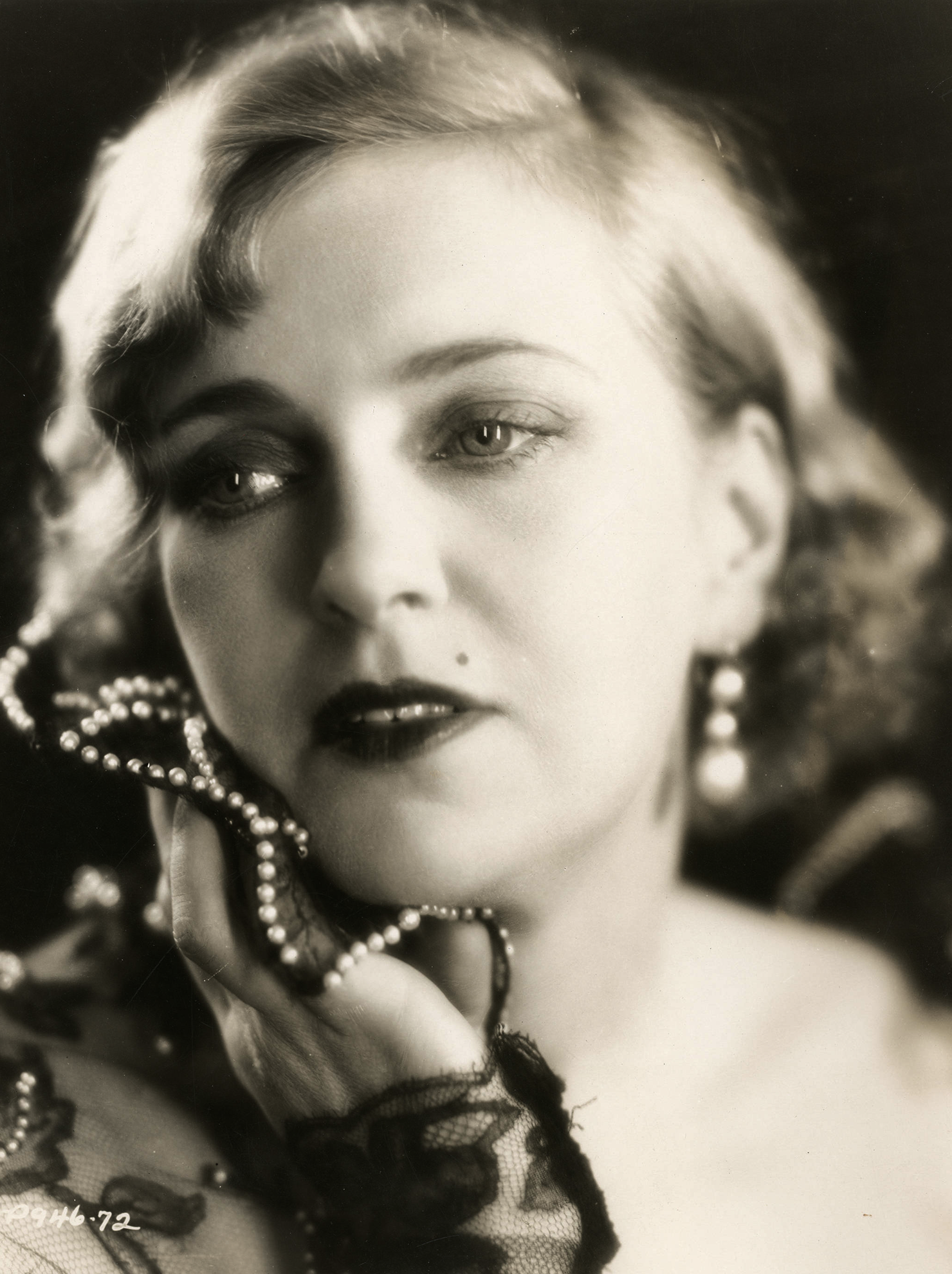
Olga Baklanova.
Source: https://commons.wikimedia.org/w/index.php?curid=143456416
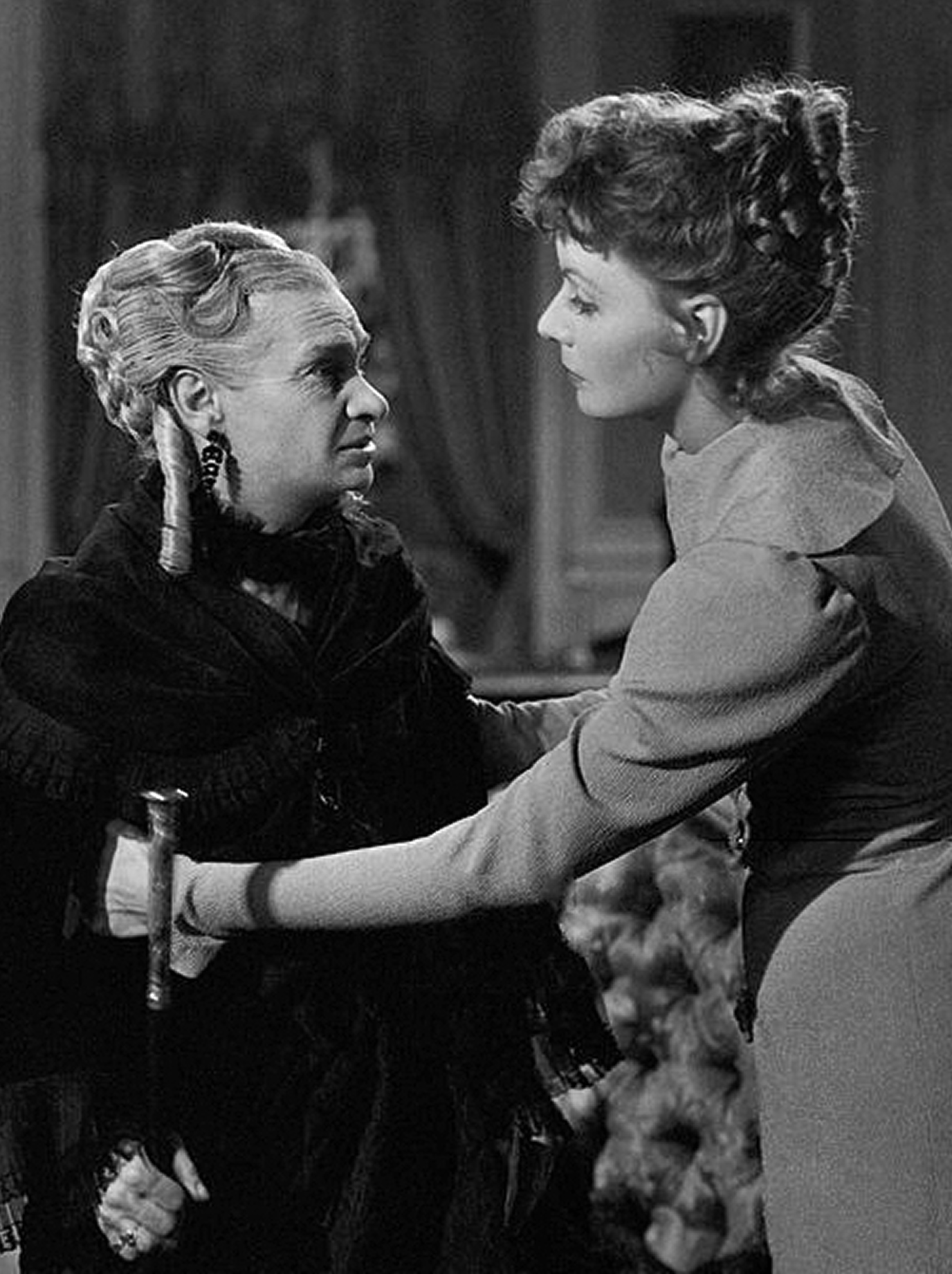
Maria Ouspenskaya (with Greta Garba, in Conquest, 1937).
Source: Mondadori Publishers, Public domain, via Wikimedia Commons.
More Taxes
At the beginning of this article, we wrote that in November 1921 there was a one-week tax put on theater tickets to help pay for starvation relief. In March 1922, the Vitebsk Gubispolkom [Provincial Executive Committee] imposed a 20% ongoing tax for famine relief on theaters and spectacles (a term can refer to both live stage performances and film showings) under the exclusive jurisdiction of the Board of Artistic Enterprises. The second part of the Decree said: From all other organizations, groups, and institutions organizing plays, concerts, evenings, and other entertainment spectacles, (italics added) a tax of 40% shall be collected starting March 15. Of this, 30% is for famine relief, and 10% is for local resources.6
It got worse. Starting in June 1922, the Board began to pay not just taxes, but to also transfer 10% of the gross proceeds to the Gubpolitprosvet (remember, its financial situation was described as “a disaster.” (See here)
Also, the Board provided the Gubpolitprosvet 100 tickets every day to distribute to the Red Army soldiers and to workers.7 This was not money out-of-pocket but lost revenue.
If that was not enough, the Board said it lost another source of revenue when the Spartak cinema closed on June 27 (it did not say why it closed).8
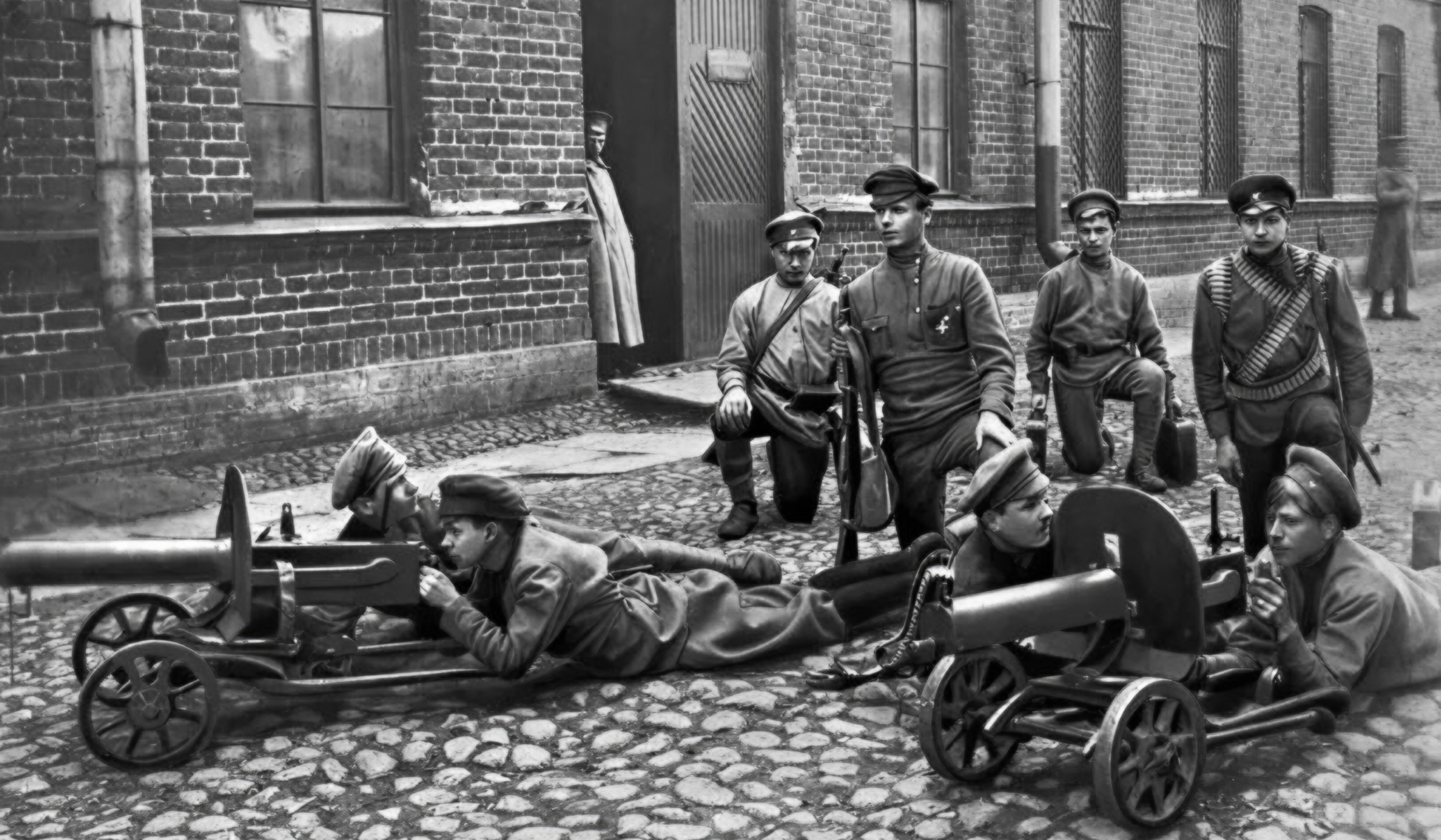
Workers' and Peasants' Red Army, 1920s.
Source: https://ru.ruwiki.ru/wiki/Рабоче-Крестьянская_Красная_Армия?utm_referrer=https://www.google.com/
The Board complained that its work was “greatly impeded” by the “entrenched view” that the cinema was “purely an economic organ. Between the financial demands of those organizations and the artistic and cultural-education demands AND the levying of various “unaffordable taxes,” the Board of Artistic Enterprises said it had reduced its work to a minimum.9
The Board asked the Gubpolitprosvet whether instead of percentage deductions of the gross of each cinema it could pay a monthly guaranteed amount of 250,000,000 roubles. The Board said that his amount was the maximum that was offered by "Yelin-Zadorozhny and Co" in the person of the representative named Eidus. (Later there was an Eidus who worked for Belgoskino, although we cannot yet confirm whether it was the same person.)10
In August 1922 the Board thanked the Gubpolitprosvet for reducing the cinema tax from 20% to 10% but claimed other financial threats loomed, such as a new collective bargaining agreement and a tax increase on cinemas called for by the Provincial Executive Committee, urged by the Provincial Finance Department, from 10% to 25%.11
Expenses, said the Board, were 116% of income.12 The Board pointed out that further increases in ticket prices will not help because, experience had shown an increase in prices sharply reduced attendance.13
The Board concluded that if the taxes could not be reduced, then the Gubono [The Department of Public Education] should consider liquidating it.14
To its credit, the Gubpolitprosvet understood and helped. It reduced the tax on the spectacle in relation to the enterprises of the art combine (in relation to cinematographs instead of the 30%-10% established by the order of the Provincial Executive Committee).15
And…
the collection of tax in favor of the Pomoshch’ golodaushim tax [Aid to the Hungry] from the cinemas is to be stopped from September 1 of this year. (1922)16
1 Otchet Po pravleniyu Khudozhestvennykh Predpriyatiy za operatsionnyy period s Oktyabrya mesyatsa 1921 g. po 1 Sentyabrya 1922 g. [Отчёт по Правлению Художественных Предприятий за операционный период с октября месяца 1921 г. по 1 сентября 1922 г.; Report of the Board of Artistic Enterprises for the Operational Period from October 1921 to September 1, 1922], 21 Oct. 1922. Gosudarstvennyy arkhiv Vitebskoy oblasti (GAVt) [State Archive of Vitebsk Region], Fond 1319, Opis’ 1, Delo 4, p. 504.
2 Dokladnaya zapiska [Докладная записка; Memorandum], 7 Sept. 1921. Natsional’nyi arkhiv Respubliki Belarus [Национальный архив Республики Беларусь; National Archives of Belarus (NARB)], Fond 42, Opis’ 1, Delo. 107, p. 96–96b.
3 V Gubpolitprosvet [В Губполитпросвет; In the Provincial Political Education Committee], 21 Apr. 1922. Gosudarstvennyi Arkhiv Vitebskoi oblasti [Государственный архив Витебской области; State Archive of Vitebsk Region (GAVt)], Fond 1319, Opis’ 1, Delo 4, p. 291–291b.
4 V Gubpolitprosvet [В Губполитпросвет; In the Provincial Political Education Committee], 21 Apr. 1922. Gosudarstvennyi Arkhiv Vitebskoi oblasti [Государственный архив Витебской области; State Archive of Vitebsk Region (GAVt)], Fond 1319, Opis’ 1, Delo 4, p. 504–506.
5 History of the Cinema (Part 2), The Rise of Silent Film (1916-1928). Mabuk.ru https://mabuk.ru/book/export/html/2225 Accessed 01 June 2026 (English language page).
6 Obyazatel'noye Postanovleniye Prezidiuma Vitebskogo Gubernskogo Ispolnitel'nogo Komiteta [Обязательное Постановление Президиума Витебского Губернского Исполнительного Комитета; Mandatory Resolution Of The Presidium Of The Vitebsk Gubernia Executive Committee], 3 Mar. 1922. GAVt, Fond 1319, Opis’ 1, Delo 1, p. 104.
7 Otchet Po pravleniyu Khudozhestvennykh Predpriyatiy za operatsionnyy period s Oktyabrya mesyatsa 1921 g. po 1 Sentyabrya 1922 g. GAVt, Fond 1319, Opis’ 1, Delo 4, p. 506.
8 V Gubpolitprosvet [В Губполитпросвет; In the Provincial Political Education Committee], 1 Aug. 1922. (GAVt)], Fond 1319, Opis’ 1, Delo 4, D. 393.
9 Otchet Po pravleniyu Khudozhestvennykh Predpriyatiy za operatsionnyy period s Oktyabrya mesyatsa 1921 g. po 1 Sentyabrya 1922 g. [Отчёт по Правлению Художественных Предприятий за операционный период с октября месяца 1921 г. по 1 сентября 1922 г.; Report of the Board of Artistic Enterprises for the Operational Period from October 1921 to September 1, 1922], 21 Oct. 1922. GAVt, Fond 1319, Opis’ 1, Delo 4, p. 506.
10 V Gubpolitprosvet [В Губполитпросвет; In the Provincial Political Education Committee], 1 Aug. 1922. (GAVt)], Fond 1319, Opis’ 1, Delo 4, p. 413.
11 V Gubpolitprosvet (Kopiya: Gubispolkom, Gubfinotdel) [В Губполитпросвет (Копия: Губисполком, Губфинотдел); To the Gubpolitprosvet (Copy to the Provincial Executive Committee and the Provincial Finance Department)], 3 Aug. 1922. GAVt, Fond 1319, Opis’ 1, dDlo 4, p. 438 and 448.
12 Smeta Raskhodov [Смета Расходов; Estimate of Expenses], 3 Aug.1922. GAVt, Fond 1319, Opis’ 1, Delo 4, p. 450.
13 Primechaniye Po Smete Prikhodov [Примечание По Смете Приходов; Note Regarding The Estimate of Receipts], 3 Aug. 1922. GAVt, fond 1319, opis’ 1, delo, 4 doc. 439.: (Copy) GAVt, Fond 1319, Opis’ 1, Delo 4, p. 451.
14 V Gubpolitprosvet [В Губполитпросвет; In the Provincial Political Education Committee], 3 Aug. 1922. GAVt, Fond 1319, Opis’ 1, Delo 4, p. 434.
15 Vypiska iz protokola zasedaniya Prezidiuma Gubispolkoma ot 8-go Avgusta 1922 g. [ Выписка из протокола заседания Президиума Губисполкома от 8-го Августа 1922 г.; Extract from the Minutes of the Meeting of the Presidium of the Gubernia Executive Committee dated August 8, 1922], 8 Aug. 1922. GAVt Fond 1319, Opis’ 1, Delo 4, p. 535.
16 Vypiska [Выписка; Extract], 18 Sept. 1922. GAVt, Fond 1319, Opis’ 1, dDlo 4, p. 434.